
10 August Gardening To Do List Items For Zone 5
Well, this is a bit late, coming to you in mid-August, but I guess it’s better late than ever. I’ll jump straight to it!
Table of Contents
1. Keep harvesting vegetables regularly
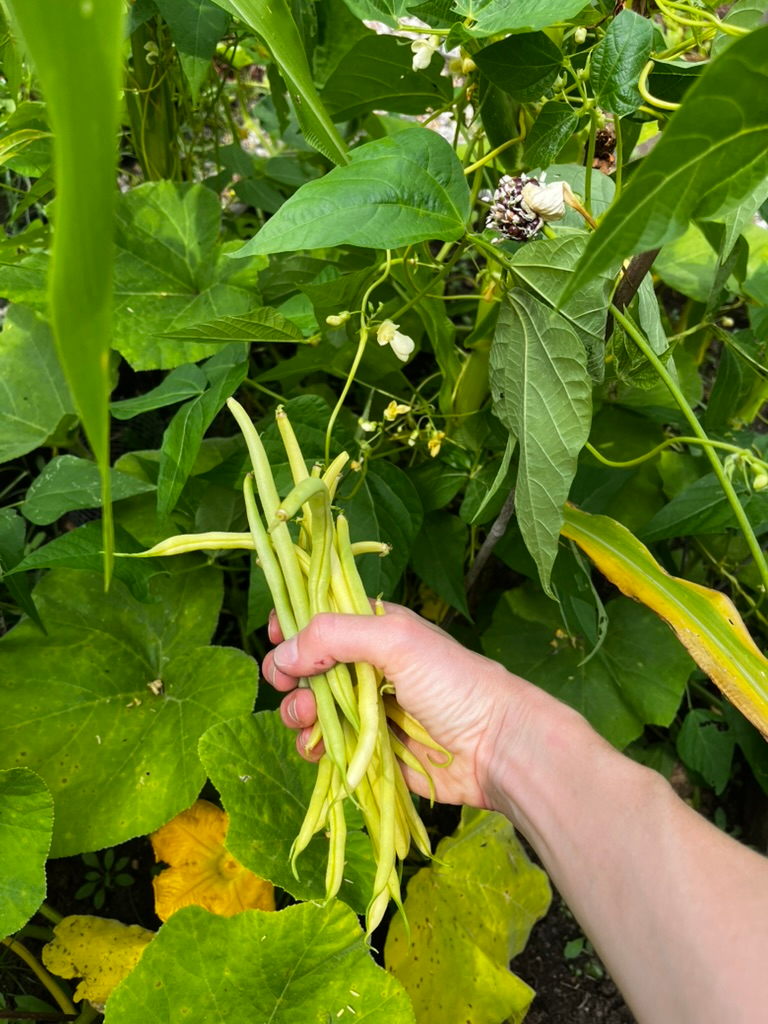
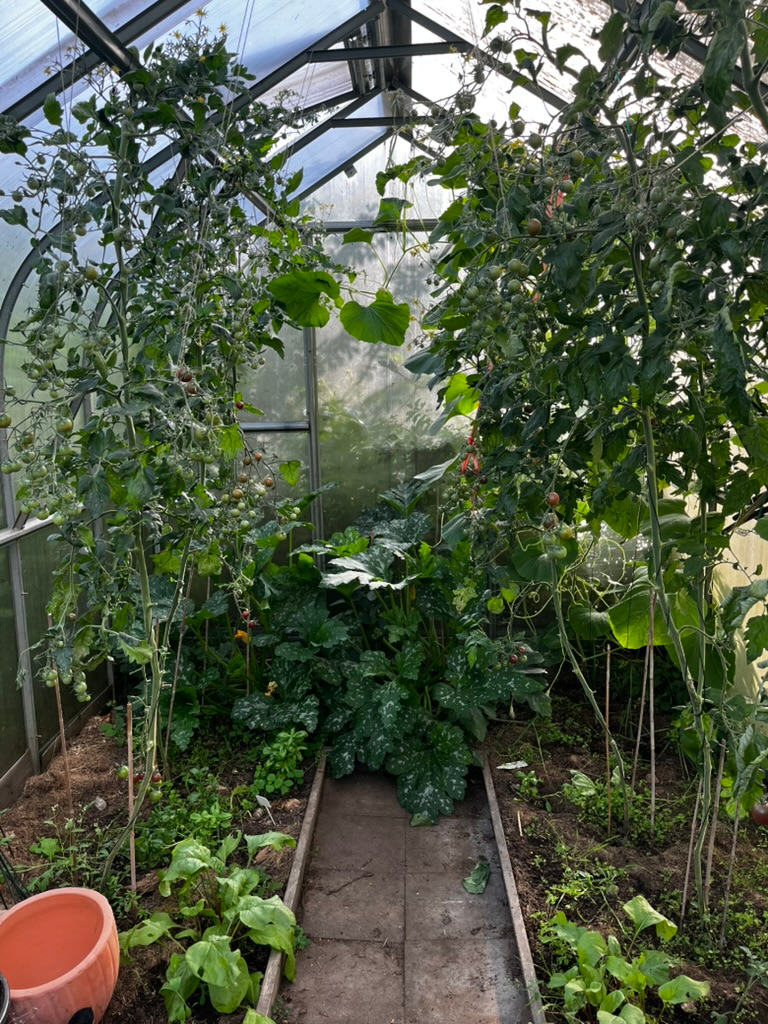
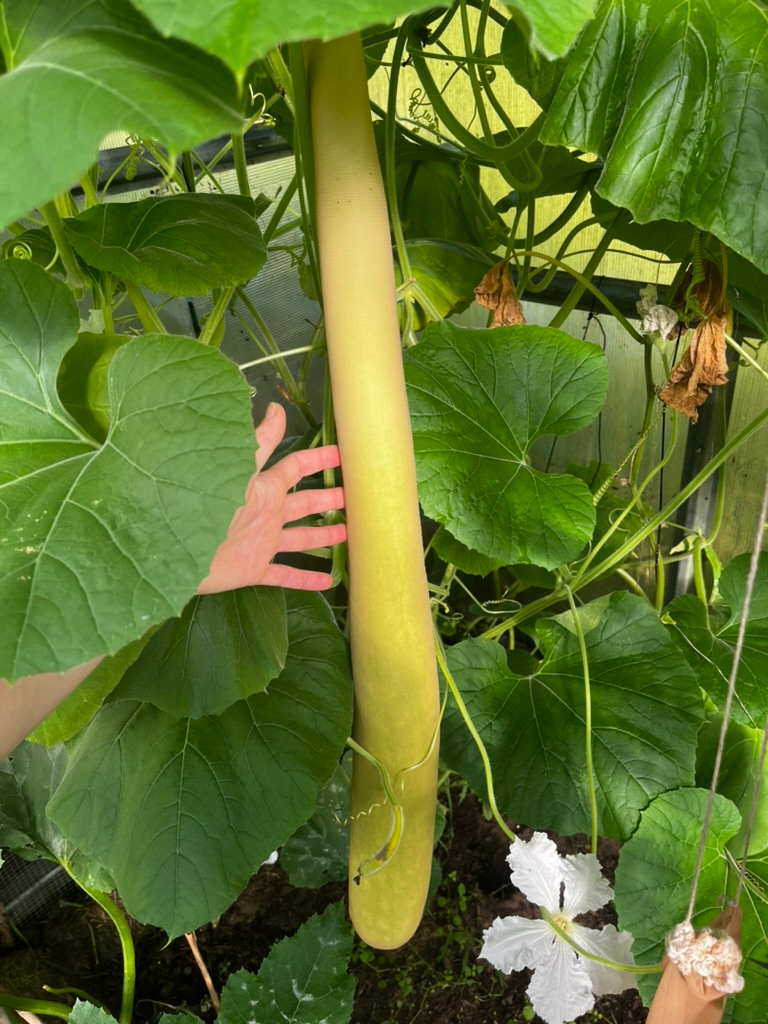
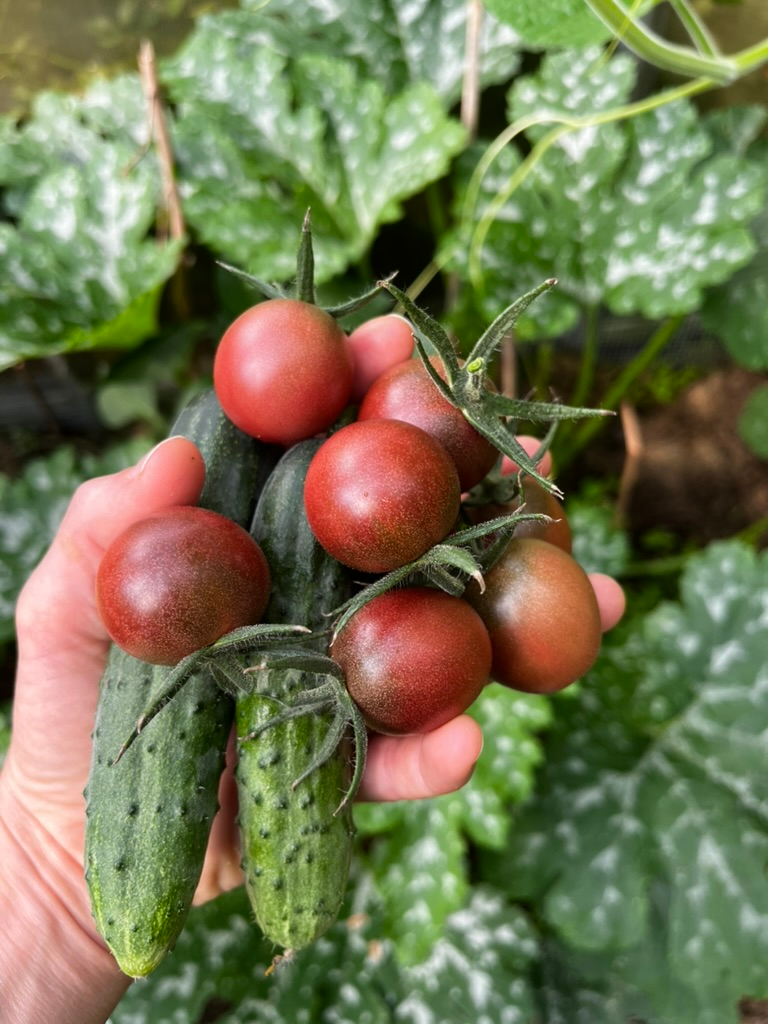
Cucumbers, zucchinis, tomatoes, gourds, pole beans, and perhaps squashes if yours are ready. Regular harvesting encourages many plants to keep producing and prevents heavy fruit from weighing down or breaking branches.
Remove rotten or mummified fruit from trees and the ground to reduce the spread of disease.
2. Tie and support
Tie and support tomato plants before the fruit becomes heavy enough to pull branches down or cause them to snap.
Support tree branches that are heavy with ripening fruit.
Check your trellises and other structures before the autumn winds pick up.
3. Prune
Summer-prune fruit trees where appropriate, particularly plums after harvest and trained apples and pears.
Don’t give them a giant haircut now. Remove damaged, diseased or dead branches, and trim branches that cross, rub against each other or are growing where they shouldn’t. Avoid removing large amounts of healthy growth at once, especially from a stressed tree. Heavy pruning can trigger vigorous new growth, including water shoots.
Don’t give shrubs a major haircut either unless necessary. Late-summer pruning can stimulate new growth that may not have enough time to harden off before winter. If a shrub needs pruning, check that the particular species is suitable for summer pruning.
Prune lavender after flowering.
4. Start the autumn vegetable garden
In early August, you can start sowing your autumn batch of leafy greens, radishes and other quick crops. As temperatures cool, you can continue sowing cold-tolerant greens and, depending on your local first-frost date, try a late crop of peas.
You can also add some Asian greens like bok choy, mizuna, komatsuna or Chinese cabbage.
5. Collect seeds
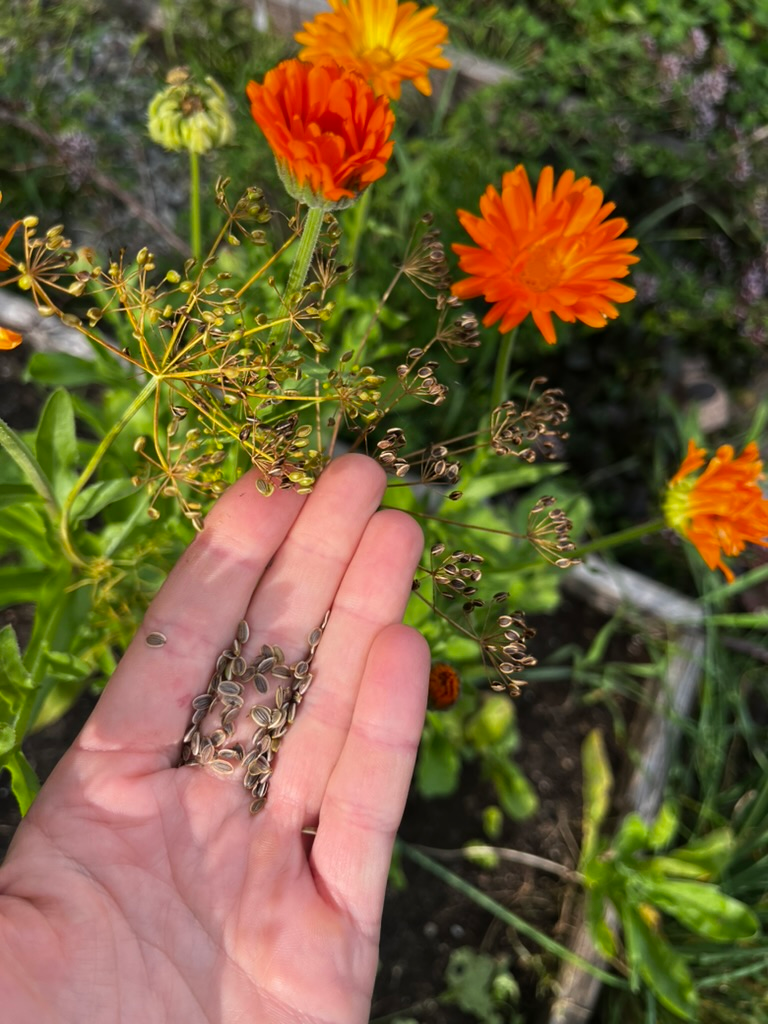
You can keep them in cute little origami seed packets like the ones shown in this video.
Make sure the seeds are completely dry before storing them, and label them with the plant name and collection date.
6. Sow green manure
Don’t leave the soil bare, baking in the August sun. After you’ve harvested your beds, sow some mustard, buckwheat, clover or another green manure of your choice to protect the soil, capture nutrients and add organic matter when incorporated later in the season.
7. Mow the wildflower meadow
Now may be the time.
In my July To-Do List, I mentioned holding off on mowing if you are trying to establish a native wildflower lawn, allowing the flowers to mature and set seed. By late summer, many meadows are ready for their main cut.
Check that the majority of your plants have finished flowering and setting seed first. After mowing, leave the cut material for a few days so any remaining seeds can fall, then remove it.
8. Check for diseases
Blights, pests, mildew… miss them and leave diseased material in place, and you risk spreading the problem and losing more of your crop.
Better to spot problems early and remove diseased material where appropriate.
9. Plan your winter
Start thinking about preparing for winter. Do you need to purchase garlic to plant in October and find a space for it? Do any tender or borderline-hardy plants need winter protection? Do you need to stock up on fleece or prepare more mulch?
You can wash pots while the water is still warm…ish, fix structures that need fixing, clean the greenhouse after you’re done harvesting, and clear out spent plants.
10. Sit down and think about next year
This is my favourite part.
I make myself some coffee, sit on top of a slope overlooking the garden and think: how can I do it better next year?
This is where a garden log and a seed log can come in handy.
Which seeds failed and which worked? What should you plant earlier or later next year to have a better harvest window? Which months did you barely harvest anything, so you could add some new crops to your garden?
Happy Gardening!