
10 July Gardening To Do List Items For Zone 5
I can’t believe it’s July already!
I visit my garden every morning and evening religiously, mainly to collect snails from my crops, and each day I can’t help but feel like I’m behind on everything.
But truth be told, mostly it’s not me who’s behind—it’s the summer. It was so cold in spring that all the greens and veg were late, then it started raining, and now we have a rollercoaster of a heat wave for a week, followed by rain and cold, and then another heat wave.
Let’s face it, it’s not easy to grow things in conditions like these.
But I don’t give up, because eating your own homegrown radish feels much better than a store-bought one… even if you spent the last two weeks picking slugs off it.
If you want to revisit my June garden to-do list, jump here!
And if you are ready for July, let’s go!
Table of Contents
1. Keep pruning
Tomatoes are probably going to reach the greenhouse ceiling soon. If you’re growing indeterminate tomatoes, keep pruning the suckers (“armpits”) and taking some of the lower leaves off to increase airflow and encourage the plants to spend their energy on fruit.
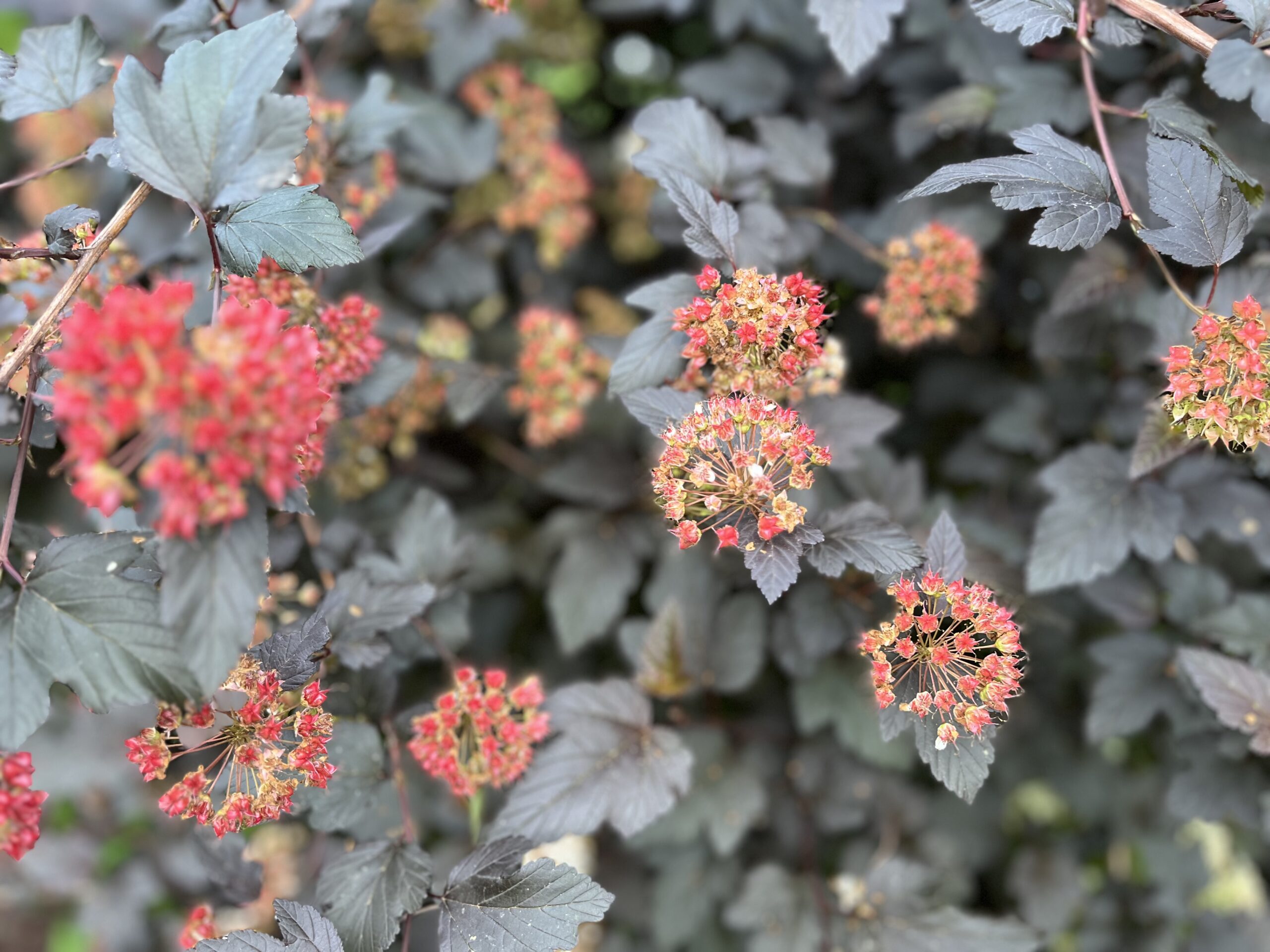
You can also prune some of the bushes that have finished flowering, like forsythia and ninebark.
2. Deadheading
Deadhead flowers if you want to encourage more blooms, but consider leaving some seed heads for wildlife.
3. Herbs
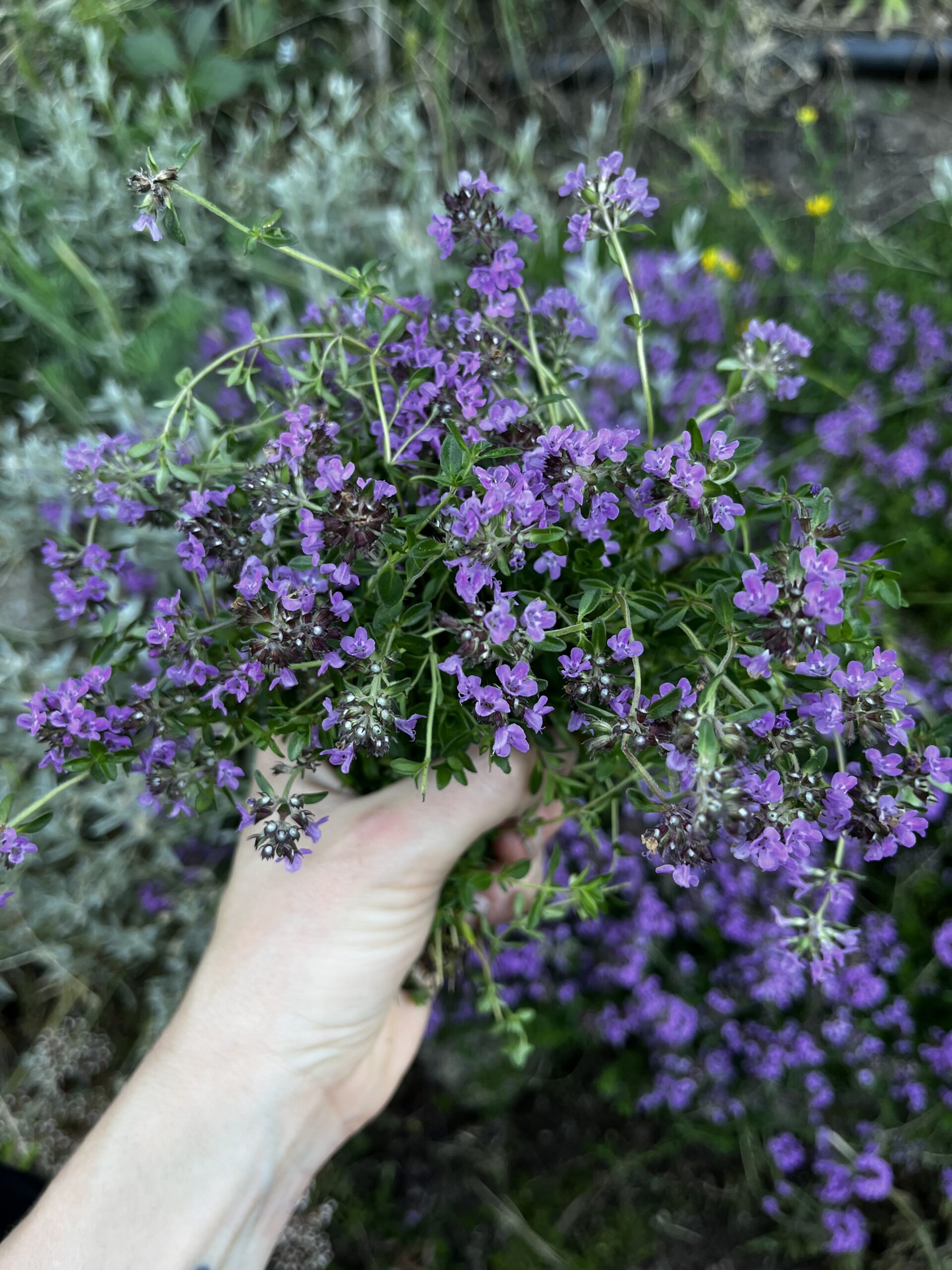
Depending on how warm it is, the end of June or the beginning of July is a good time to pick and dry your herbs.
Oregano, creeping thyme, mint, lemon balm. The strongest flavour is usually right before or just as the plants begin to flower. Pick them early in the morning, when the dew has dried but before the sun is scorching hot, for the best concentration of essential oils.
4. Keep pests in check
I prefer not to spray anything in my garden and instead am trying to build a healthy ecosystem where pests are naturally regulated by their predators. I built a pond for that reason and am eagerly waiting for frogs and toads to visit. In the meantime, snails and slugs have been multiplying, and I’ve made a routine out of picking them. But you know what? A hedgehog appeared in my garden and seemingly enjoys snacking on slugs every now and then. Nature has a wonderful way of finding balance.
5. Weed and mulch
Weeds and grasses are growing like crazy, and in order not to have to weed every other day, mulch around your beds with grass clippings, wool, or buckwheat husk mulch.
Mulching is also very important if it’s hot, so the soil isn’t stay bare for the sun to turn it into dust.
6. Leave your wildflower meadow alone
If you want pollinators and beneficial predators to help you fight off pests, leave some “wild” areas untouched. You can have absolutely wonderful wildflower lawns if you leave them be until all the wildflowers have finished blooming and have gone to seed, so that next year the meadow is even more beautiful.
7. Harvest often
Keep harvesting so the greens keep producing, the veg stays fresh, and the birds don’t steal your ripened berries.
8. Check fruit trees
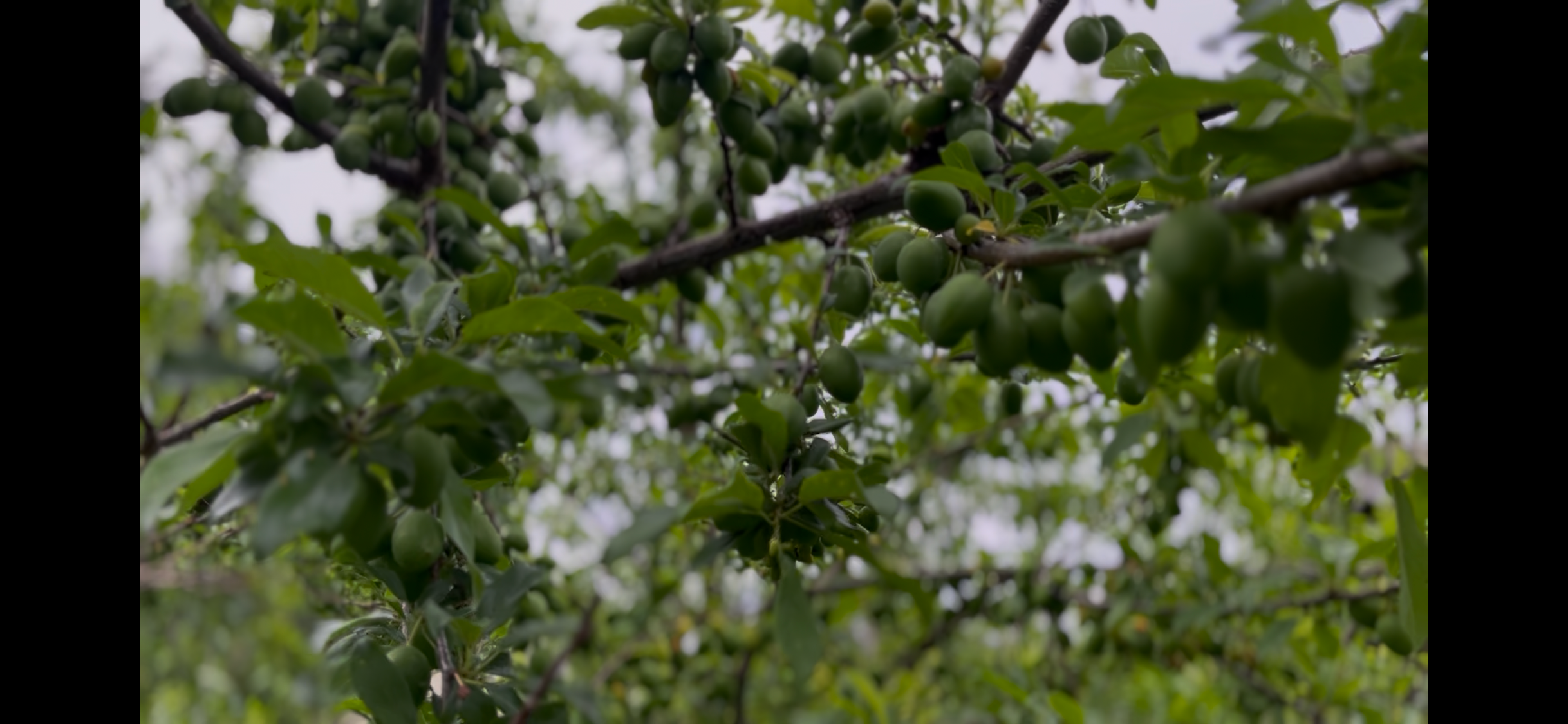
Do any of them have too much fruit? Take some off. If you have too many, the tree will spread its energy across too many fruits, and you’ll end up with a lot of mediocre ones. If you thin them out, the tree will have more energy to ripen the remaining fruit properly.
Also check if any fruit trees have signs of disease. If you need to cut branches off or treat wounds, do it on a sunny, dry day, since wet conditions can spread bacterial and fungal diseases.
9. Water
Water if it’s dry, refill ponds or water reservoirs, and leave some water out for the insects and animals that visit your garden. Make sure you have something floating in your pond so insects can safely land and drink—plants, floating logs, or even a cut wine cork will do.
10. Sow your autumn garden
Sow root veggies for a nice autumn harvest – carrots, beets, radishes. Sow some more greens if you are finishing to harvest the ones you started in spring. Consider also sowing some ground cover to protect soil from the July sun. I scattered some buckwheat and white clover on my unproductive slope, to fix nitrogen and increase minerals in the soil for the future.
If you have any other July Gardening To Do List items to share, leave them in the comments.
See you in August!