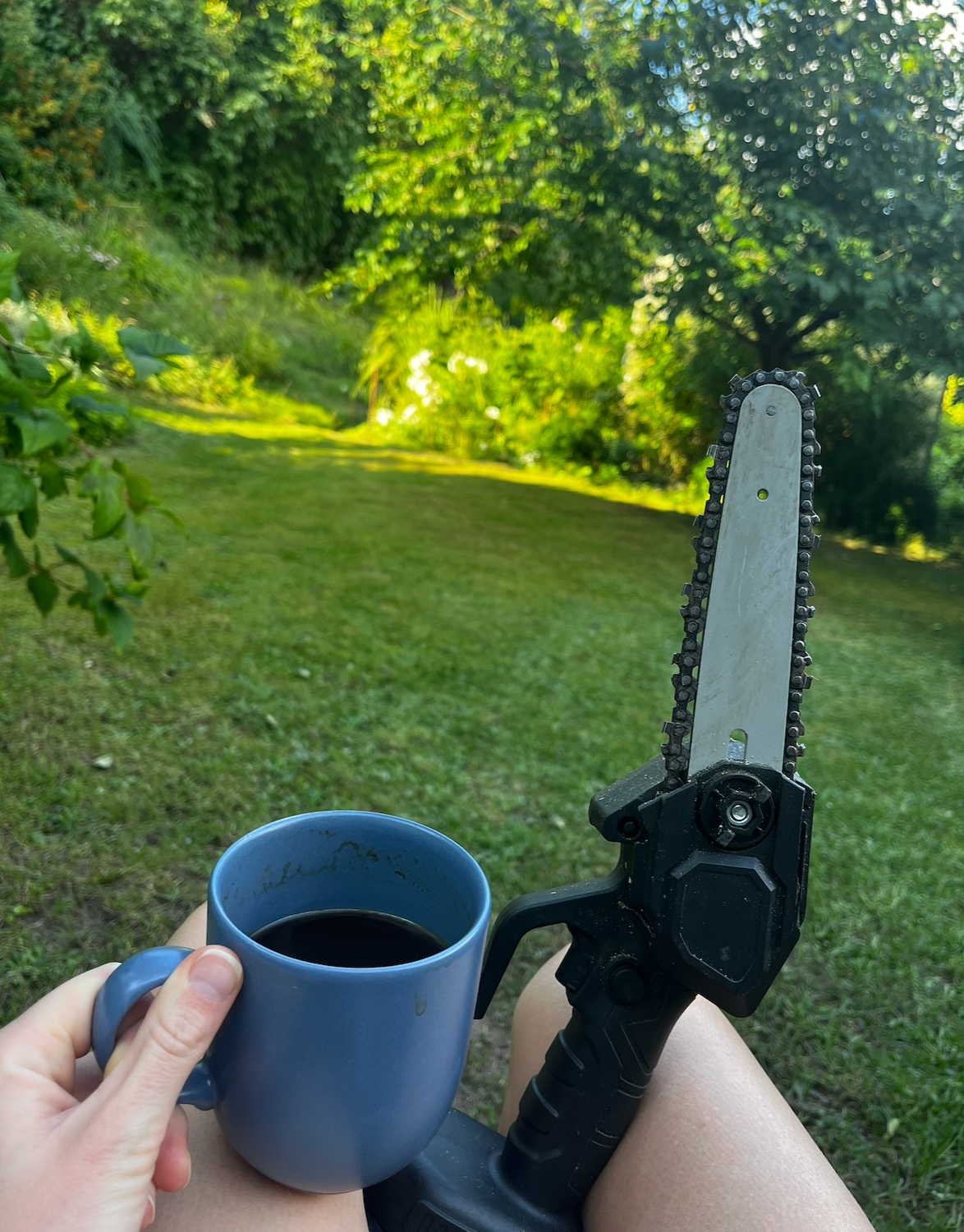
10 June Garden To Do List Items for Zone 5
The busiest month of the garden year is approaching fast, and if you’re feeling behind, you’re not alone! You can read through my May list to see if you’ve ticked all those boxes, but if you didn’t – who cares? Gardening is meant to be fun.
Table of Contents
So let’s head to June tasks for growing zone 5.
1. Sowing and planting
I don’t know about where you are, but here May is surprisingly cold. And also warm simultaneously. We have +25°C one moment and then hail and a drop to +10°C the next. Nights are still only around +8°C.
But oh well, my tomatoes are living their slightly worse-than-average lives in the greenhouse along with two cucumbers and a struggling paprika. My greens are trying to grow in this weird weather, and the slugs are showing moderate performance, which makes me pretty happy.
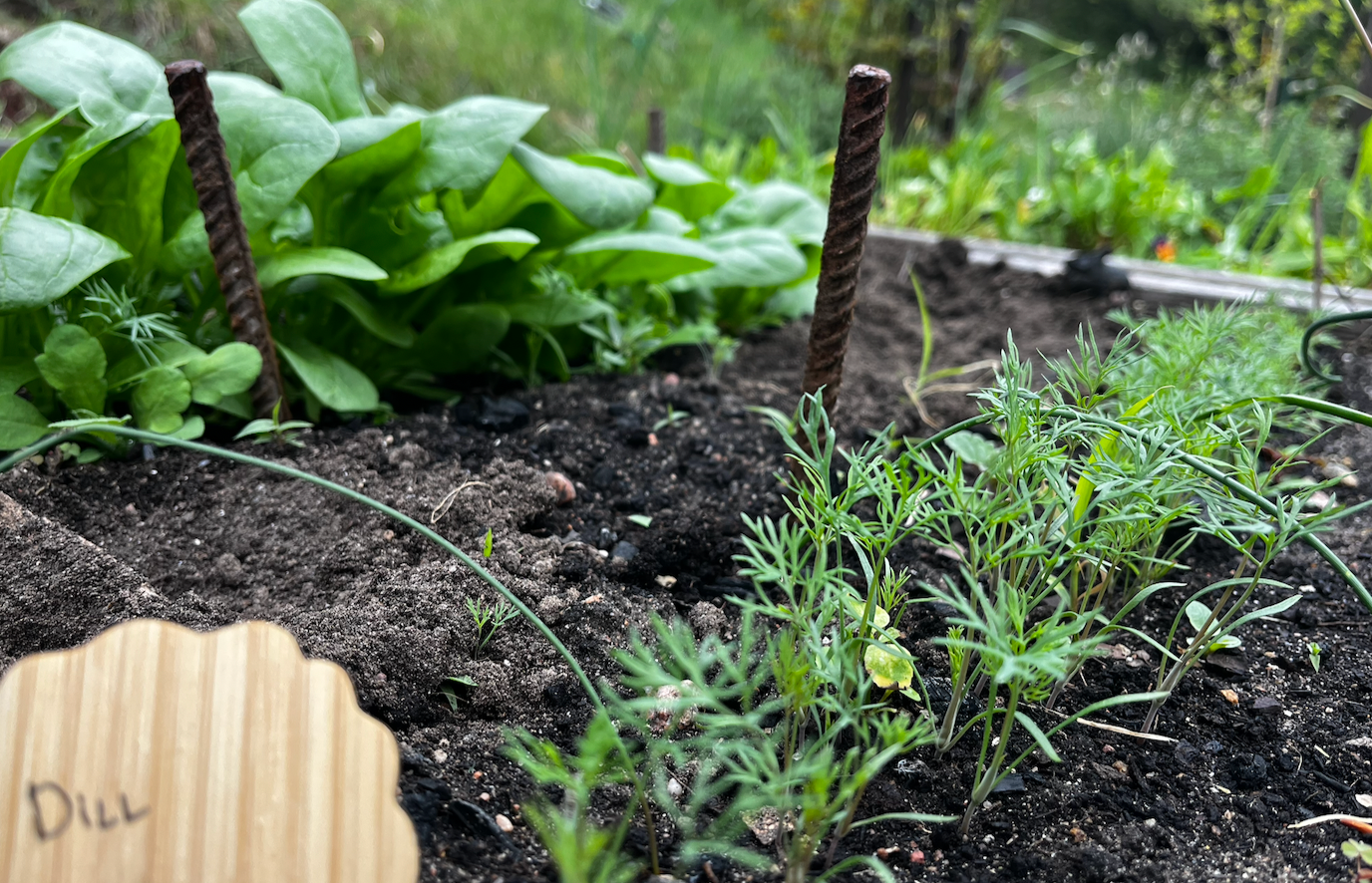
I have planted two tomatoes and a cucumber outside (but if you haven’t, June is probably a better time for it). I have also just sown corn, so in the second week of June I am planning to sow pole beans and butternut squash (I have been growing it inside to save it from slugs, and now it is developing its second set of leaves). I will also move the zucchini outside, sow buckwheat, and eventually quinoa. This will be my first time growing quinoa, so wish me luck! In any case, even if it doesn’t produce anything, I bought it because of incredibly nice looking flowers.
2. Fertilizing
I have two buckets of natural fertilizer, one nettle and one dandelion, that have just finished brewing. June is a good month to water your plants with that to encourage growth. Mix 1 part tea with 10 parts water and make sure to water the ground near the plants, not directly on them.
3. Mulching
The grass on the lawns has to be cut fairly regularly by now, and you can use the clippings to mulch the beds to prevent weeds from taking over. You can also add the clippings to your compost as green stuff.
I only have a tiny lawn. I have another patch of grass that I keep long on purpose so that wildflowers can go to seed and spread. It has created a very natural, foresty meadow feel at the end of my garden, and it encourages all sorts of insect life there.
So what do you do if you don’t have enough lawn to mulch? You can use the chop-and-drop method that one of my favorite gardeners, Huw Richards, uses and explains very well in this video.
4. Harvest
The sorrel has probably gone to flower by now. Cut the flowers and keep harvesting, or let it flower if you want more insects and more sorrel. I’ve noticed that when it gets big, it attracts a lot of dock bugs, and they later move to spinach. I also really don’t need it to spread more, so I cut it.
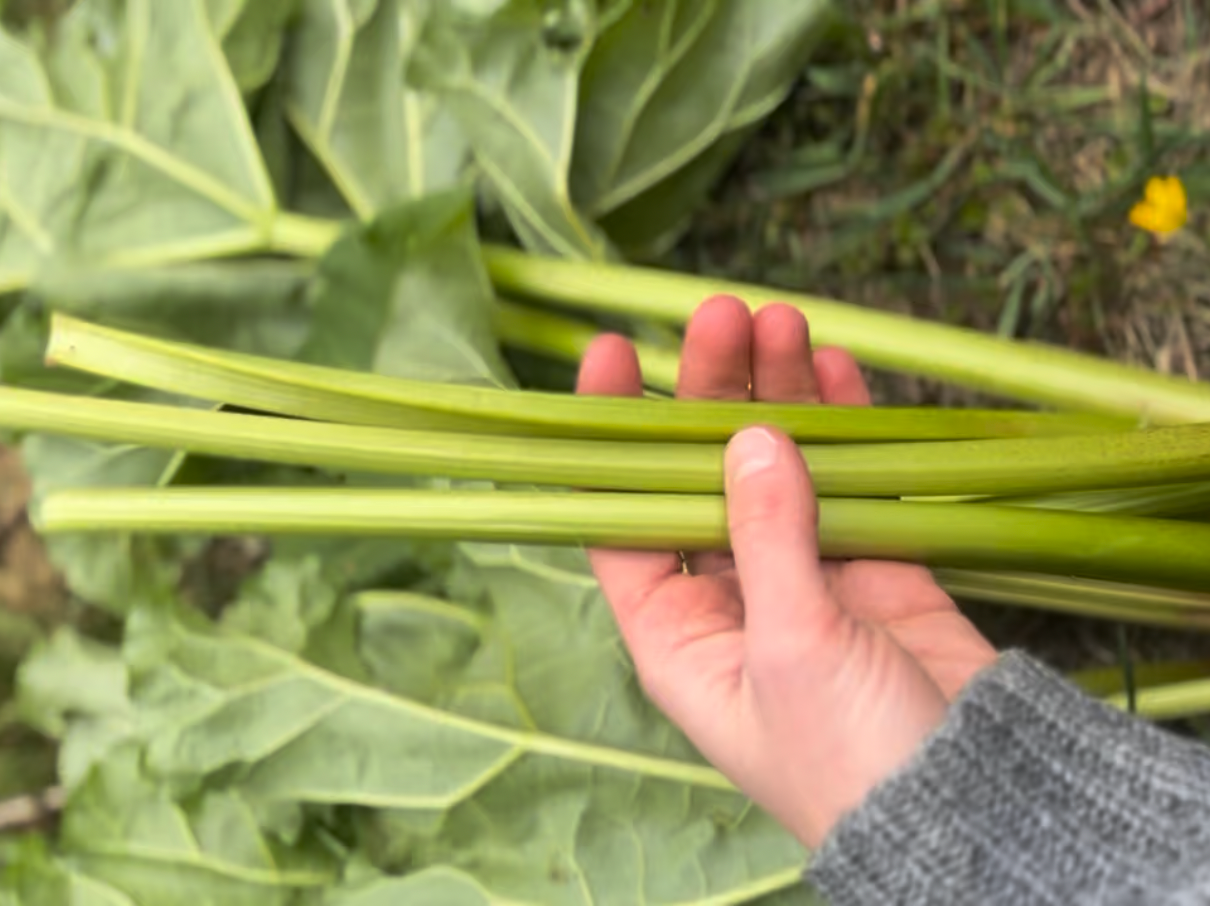
Rhubarb is also ready to harvest. Don’t take more than 2/3 of the plant. Depending on when you sowed your greens and annuals, you may have radishes, lettuce, spinach, rucola, chives and other greens. Keep harvesting to encourage new growth.
5. Succession sowing
Sow some more greens for when your first ones are done.
6. Support plants
Tomatoes, peas, beans, cucumbers, and many flowers start putting on rapid growth this month. Tie plants to stakes, trellises, or cages before they become too large and floppy.
Supporting plants early improves airflow, reduces disease risk, and prevents stems from snapping later in the season.
7. Bugs!
Pests are really waking up now. I once read a wonderful book called “Regenesis: Feeding the World Without Devouring the Planet” by George Monbiot, where he mentions a wonderful farmer who says every pest has a predator, and a healthy garden or farm needs a healthy balance of both.
I decided not to spray my garden with anything, so I spend every other day hand-picking and crushing the box tree moth caterpillars on the box shrubs and collecting the snails into a bucket, then throwing them off a hillside. They will probably come back, but it’ll take them at least a good half a week.
You can also encourage beneficial insects such as parasitic wasps or spined soldier bugs, which will prey on pest larvae.
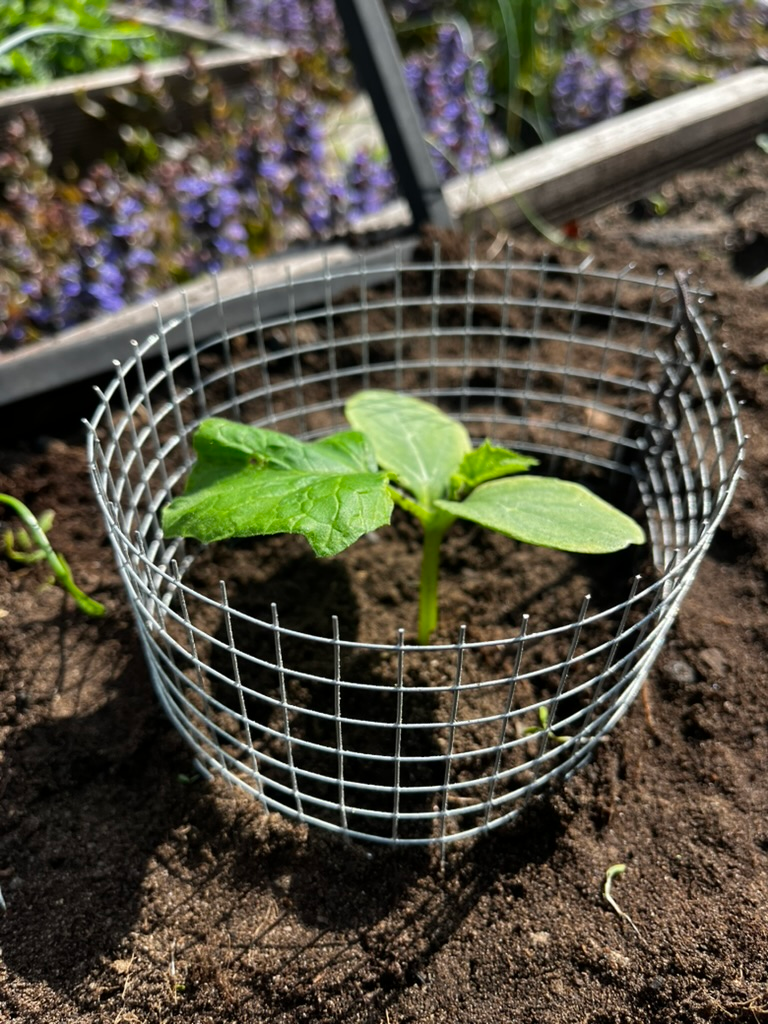
I also installed these genius anti-slug and snail devices… they have sharp edges, and they totally work! I simply cut the metal squared wiring into a lot of strips and tied them into nice little circles.
8. Prune
You can now prune spring-flowering shrubs like lilac, forsythia, ninebark, and others.
Remove dead wood, shape the shrubs, cut branches growing towards the inside of the bush to increase airflow and create a nice chalice shape, and remove crowded or crossing branches.
9. Deadhead flowers
Tulips should be long gone, and if you’re like me and kind of forgot about them, you can cut those flower stalks off. The annuals and perennials that keep growing and producing flowers will benefit from occasional deadheading and will produce more flowers.
10. Don’t forget to rest
You don’t have to do everything. If you are a commercial farmer, you don’t need this list, so chances are, if you are reading this June garden to do list – gardening is more of a hobby for you. Enjoy your hobby!