
3 Natural Fertilizers You Can Make From Plants in Your Garden
I avoid chemicals. To be fair, I avoid most store-bought things that you have to spray on your plants. Sometimes I spray green soap on my roses when pests get out of control, but mostly I’m just too lazy. It probably has more to do with the fact that I try to avoid stores more than anything.
Luckily, to make fertilizer, you don’t even need to leave your garden.
And it’s the perfect time for nettles and dandelions right now, so here are three recipes for natural fertilisers you can make yourself.
General tips for green fertilizers:
✅ Always dilute (strong teas can burn roots)
✅ Apply to soil, not leaves in hot sun
✅ Use every 2–3 weeks, not more often
❌ Don’t store sealed (fermentation creates gas)
❌ Don’t pour near streams or drains (nutrient runoff)
❌ Do not harvest from lawns that were sprayed with herbicides
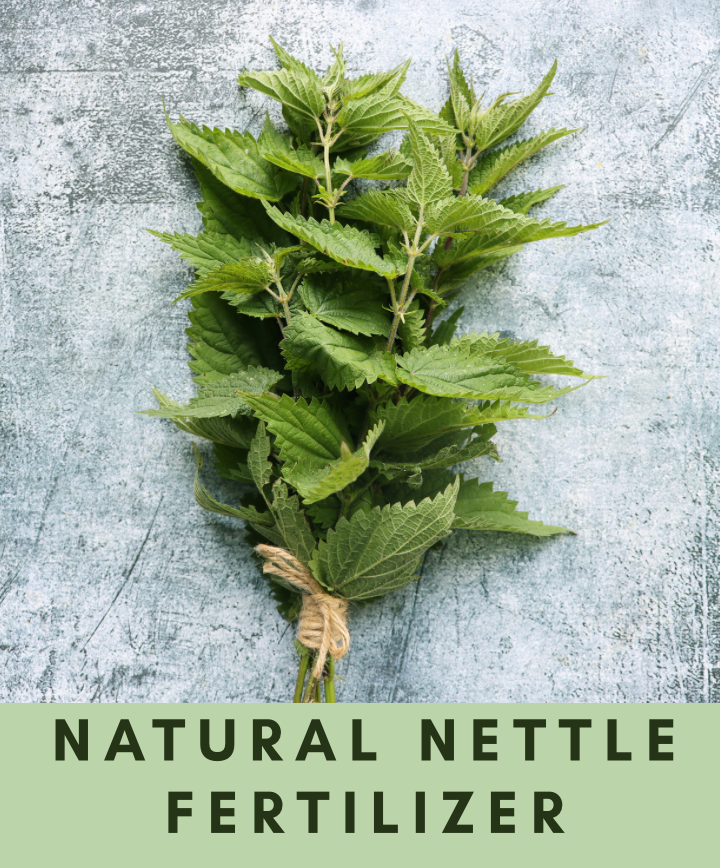
1. Nettle Fertilizer (Nitrogen Boost Tea)
Nettle is full of nitrogen, iron, and magnesium. It’s a superweed. You can eat it in salads, drink it in tea, and use it to grow long hair.
Fertilizer made from it is good for leafy growth—it boosts plant vigor and soil health.
Recipe:
Harvest fresh nettle. Fill 1/2 to 2/3 of a bucket.
Top it with water. Rainwater is best.
Let it ferment for 1–2 weeks, stirring every few days. (Warning: the smell is not great.)
Dilute 1 part nettle tea to 10 parts water.
Notes:
Wear gloves when handling nettle—it stings.
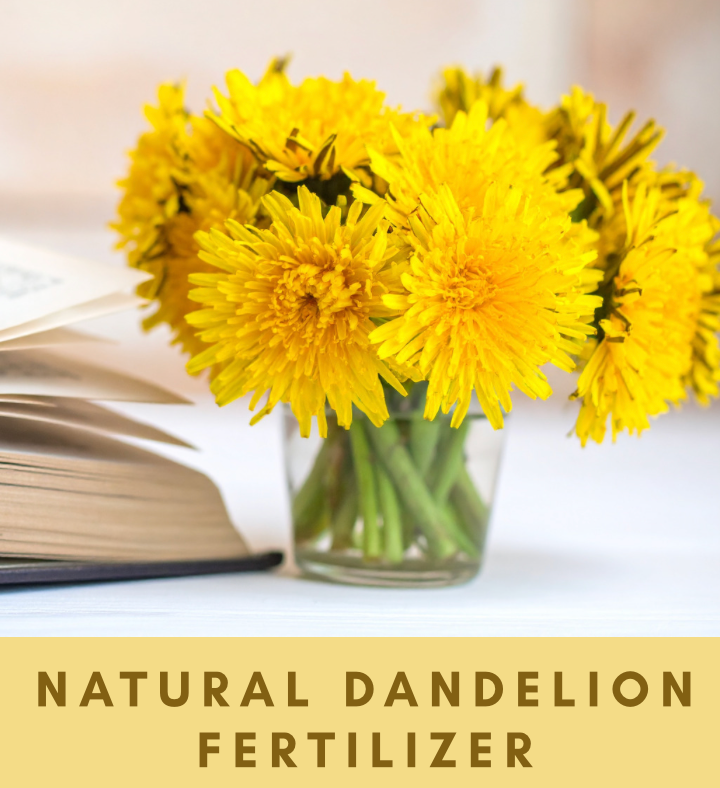
2. Dandelion Fertilizer (Gentle Mineral Tonic)
Dandelion fertilizer adds potassium, calcium, and trace minerals. It is mild and good for all plants, and it supports flowering and root health.
Recipe:
Chop leaves and flowers (roots optional).
Fill a bucket half full with plant material.
Add water and steep for 3–7 days (shorter = less smell).
Dilute 1:10 (1 part dandelion tonic to 10 parts water) for soil drenching or light foliar feeding.
Notes:
Good for summer fertilizing, alternating with nettle.
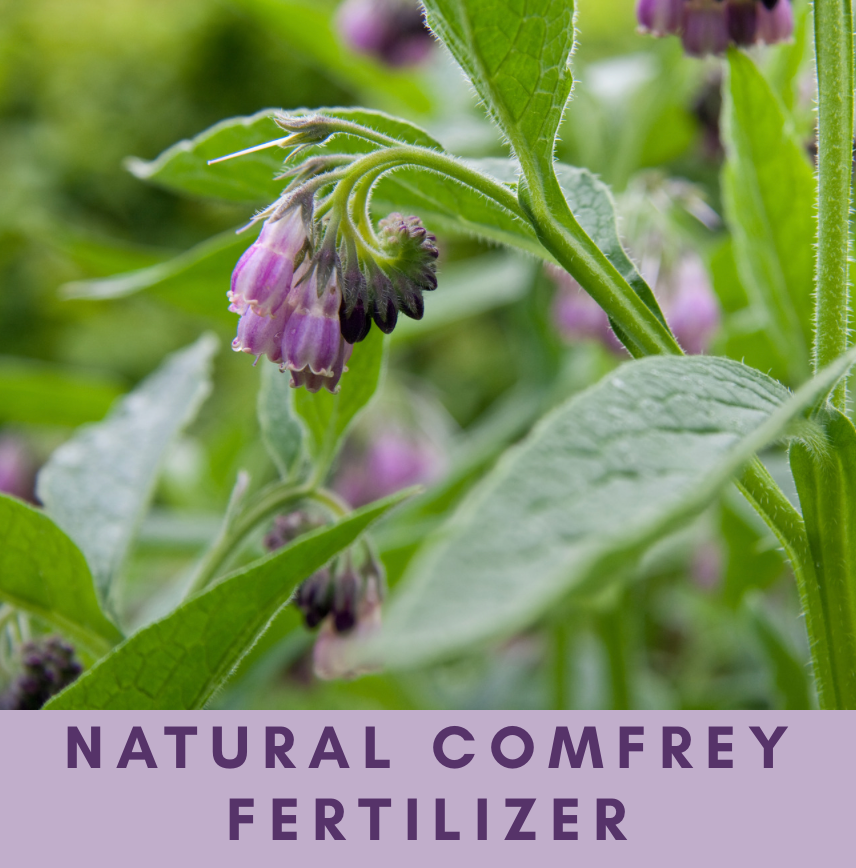
3. Comfrey Fertilizer (Flower & Fruit Powerhouse)
Very high in potassium—amazing for tomatoes, peppers, squash, and other fruiting plants. Encourages flowers, fruits, and disease resistance.
Recipe (No-smell method):
Stuff chopped comfrey leaves into a bucket or barrel (no water).
Cover loosely and let them break down for 2–4 weeks.
Collect the dark liquid that forms.
Dilute 1:15 (1 part liquid to 15 parts water) before watering.
Notes:
Comfrey can spread aggressively, so plant only sterile, clumping varieties like Bocking 14.
This tea is very strong—overuse can cause floppy growth.
If made with water, it will smell awful.
Great for late-summer fertilizing to encourage fruiting.
Hopefully that will have spared you a trip to that noisy place called a store!