Fifty Shades of Witchcraft: Witch History from Garden Herbs to Potions, Flying and Witch Hunts
Table of Contents
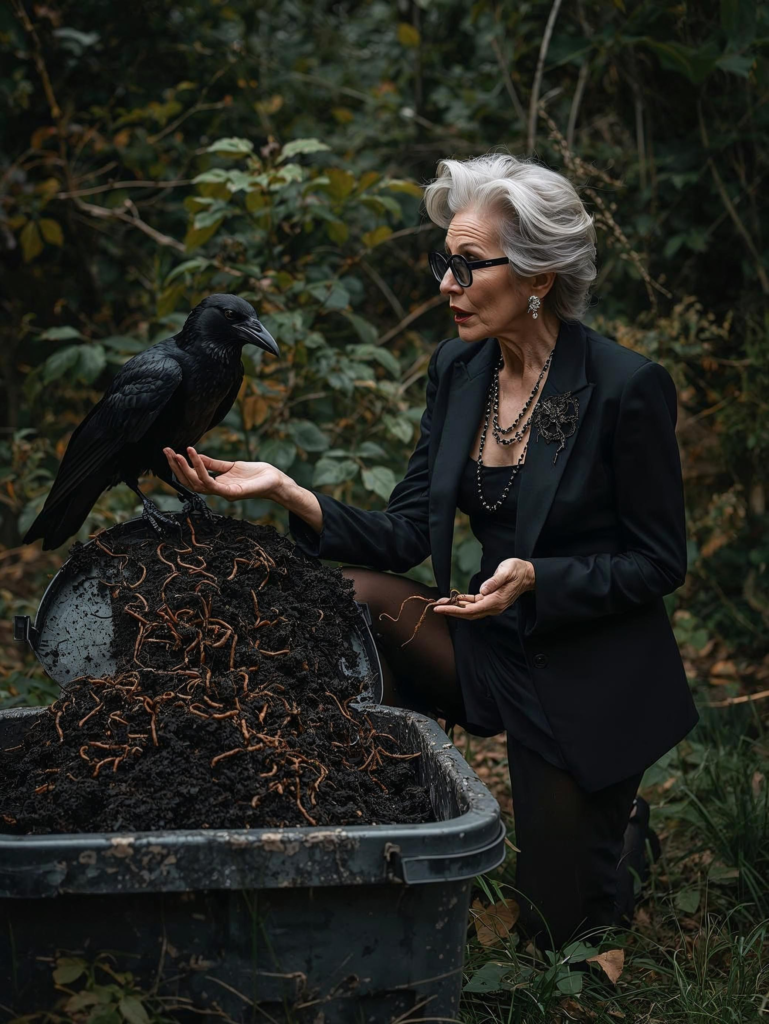
After I imagined, with the help of AI, what a garden magician would look like, I’ve moved to witches. They’re not that much different after all. I guess it’s a natural progression, just like it happened in the real world.
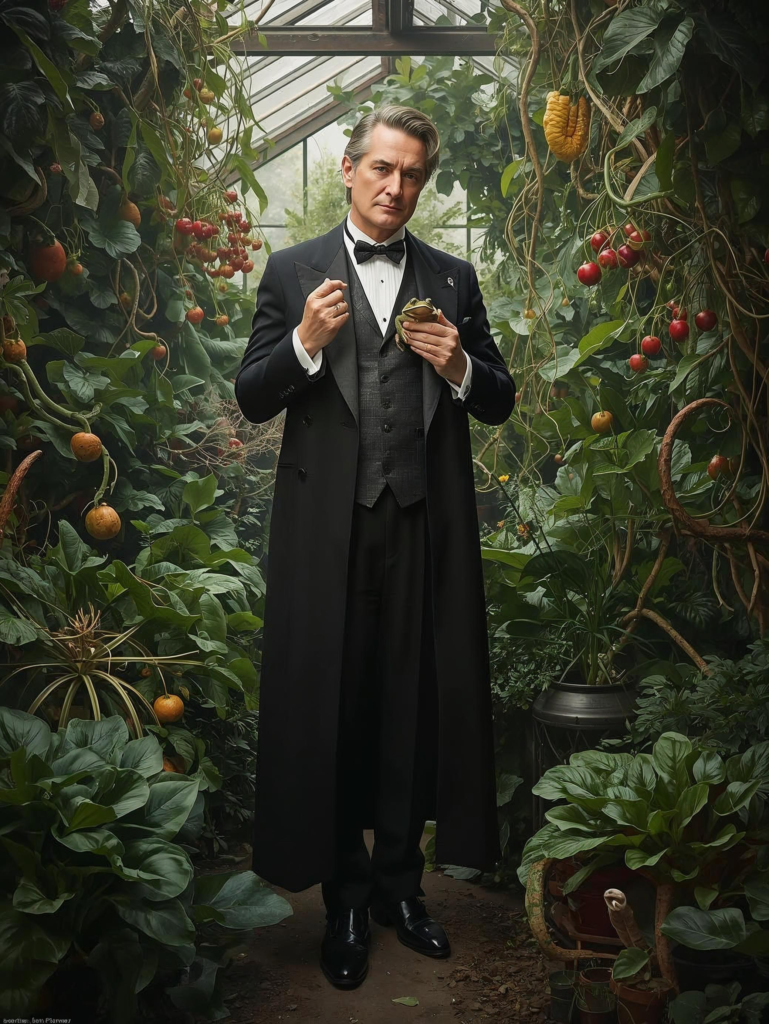
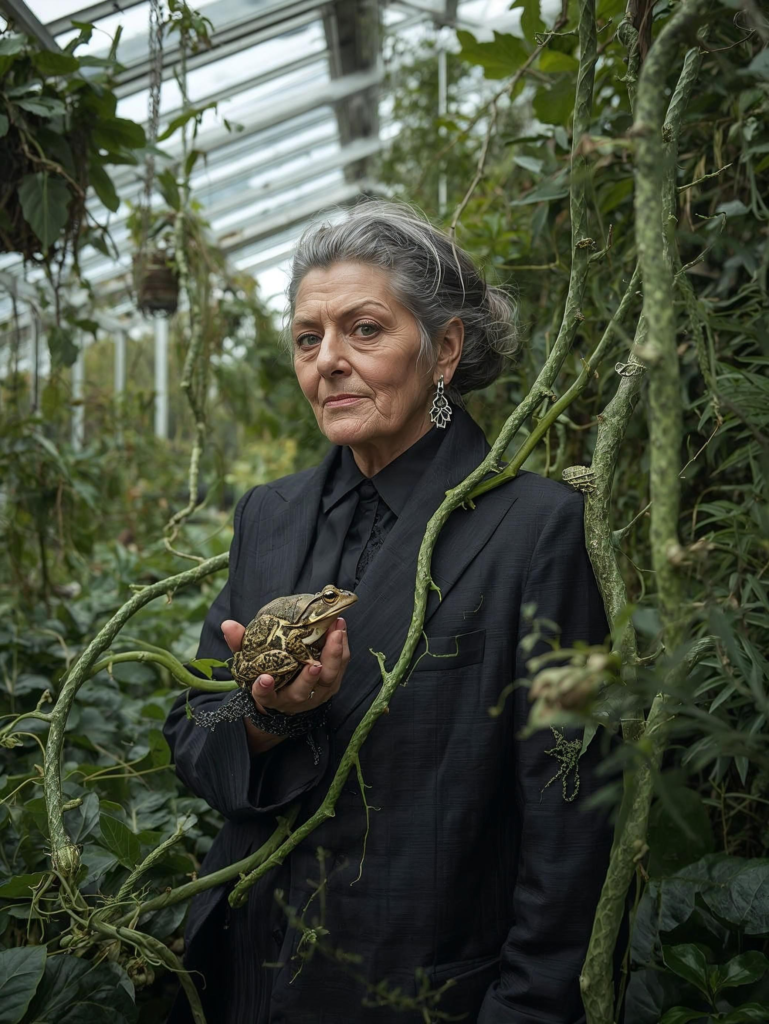
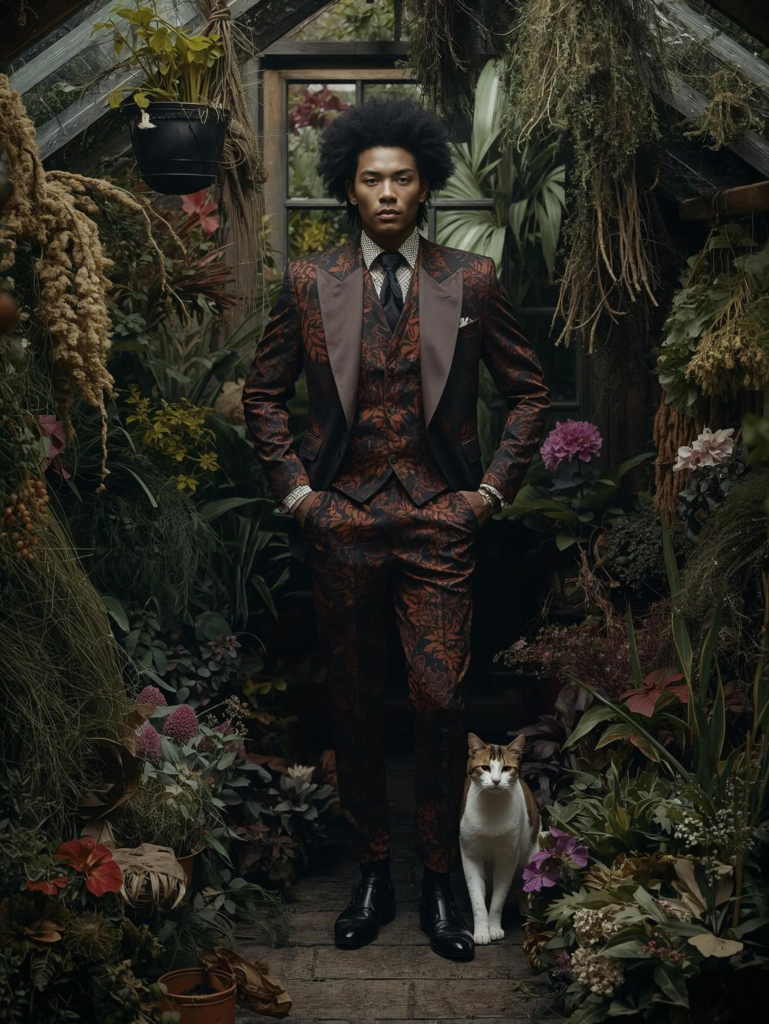
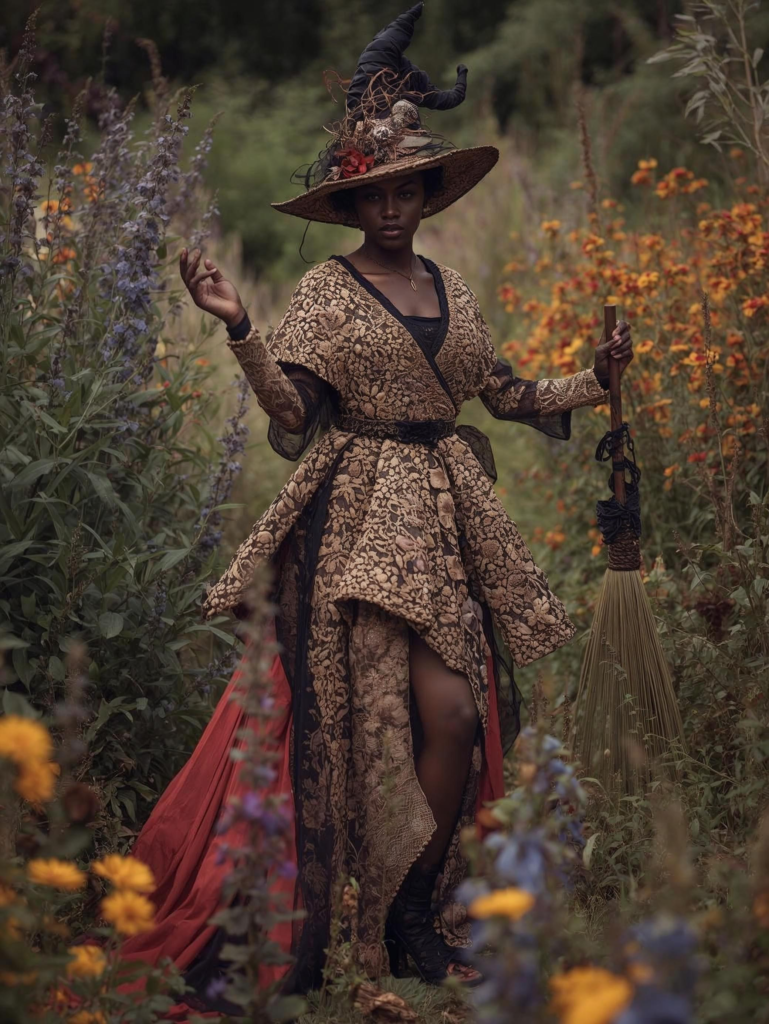
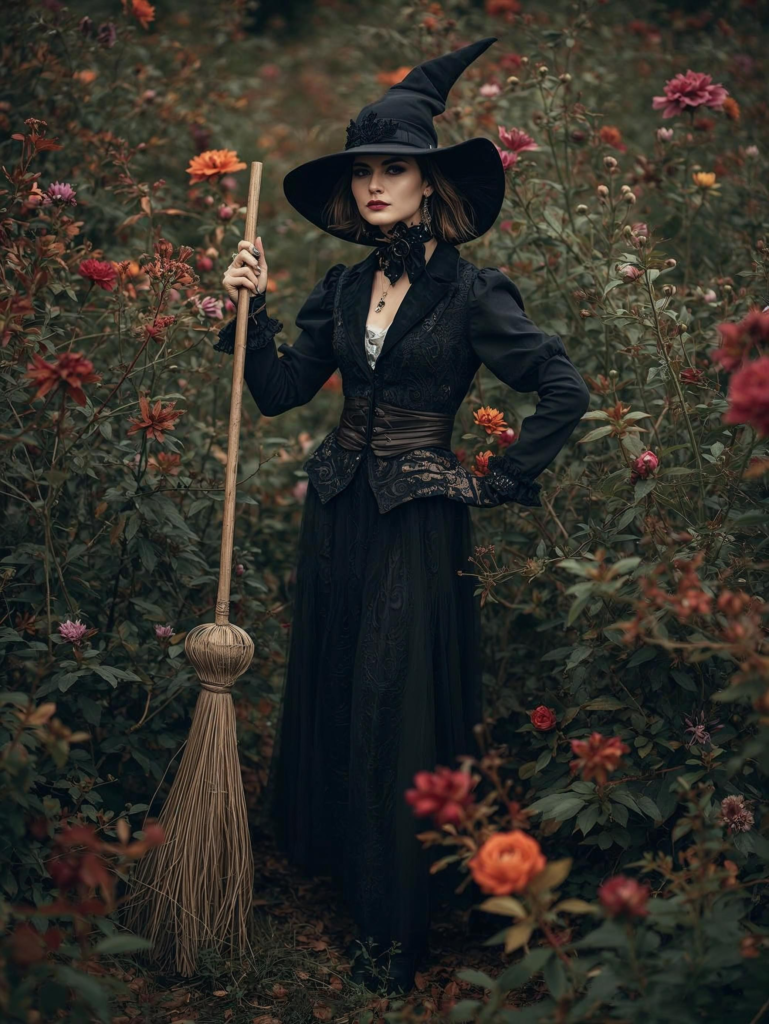
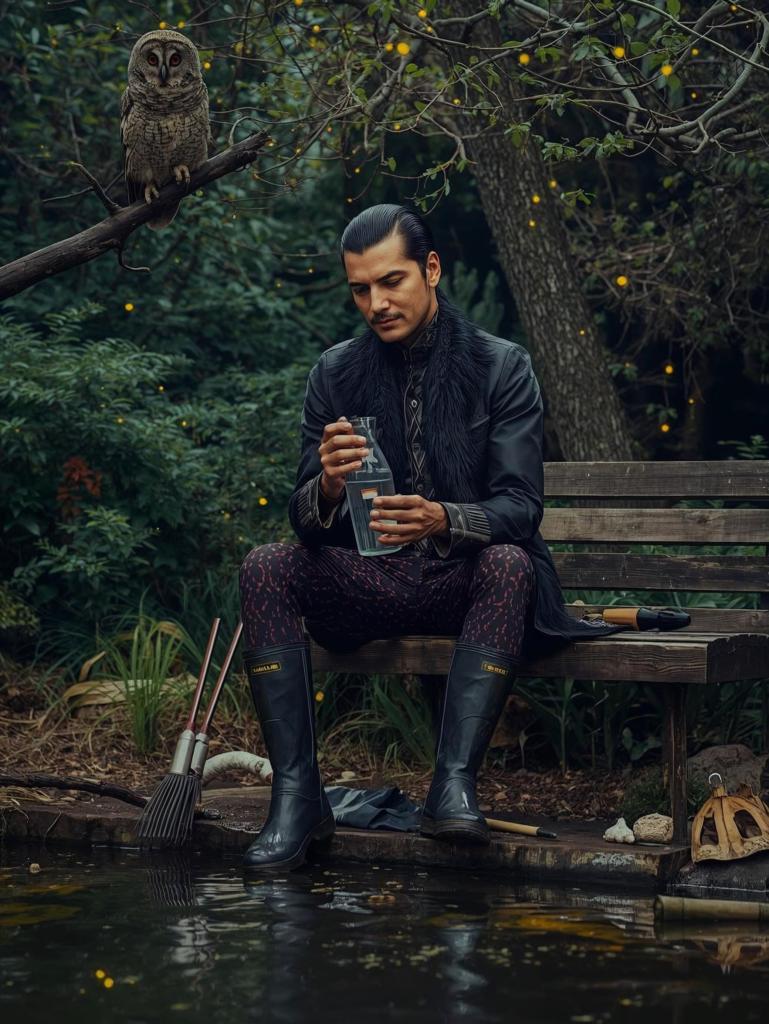
So if you’re in the mood for a bit of an opinionated, feministic read with my own conclusions — dig in. I will present my research into the subject along with AI-generated images of stylish, fancy witch gardeners. I’ve also included men in them, because men were witches too. In Old English, “wicca” referred to a male magician or sorcerer, while “wicce” referred to a female magician or sorceress. But as the late-medieval concept of the demonic “witch” developed, witchcraft became increasingly feminised, and women became the majority of those accused in most regions.
Anyway… onwards!
Herbal witch history
Before Christianity, when the world was predominantly pagan, there were magicians, sorcerers, healers — generally people who possessed a garden variety of skills, from treating a cough to making a love potion to casting a curse. Some, as people believed, could do all of it; some just a bit; some were respected, some feared. There were healers, herbalists, diviners and other people who practised forms of magic. It was often more to do with what people BELIEVED they could do. There were often some “ointments” involved.
In 2024, a study about ethnopharmacology looked at plants named after witches and devils in north-western Europe and encountered a staggering 425 plant taxa. Mostly, they concluded that these names were often used as warnings about plant toxicity or other dangers.
European folk history associates plants with witches, healing or ritual purposes, such as mandrake (“duiveljong” in Dutch, meaning “devil’s child”) or henbane (“teufelauge” in German, meaning “devil’s eye”). Some historical and folkloric accounts have also been interpreted as describing witches using fungi, although a lot of this material isn’t based on first-hand sources, and there isn’t enough evidence to support a theory that witches were just ladies high on shrooms and that their “flight” accounts were actually experiences of mental rather than physical flying.
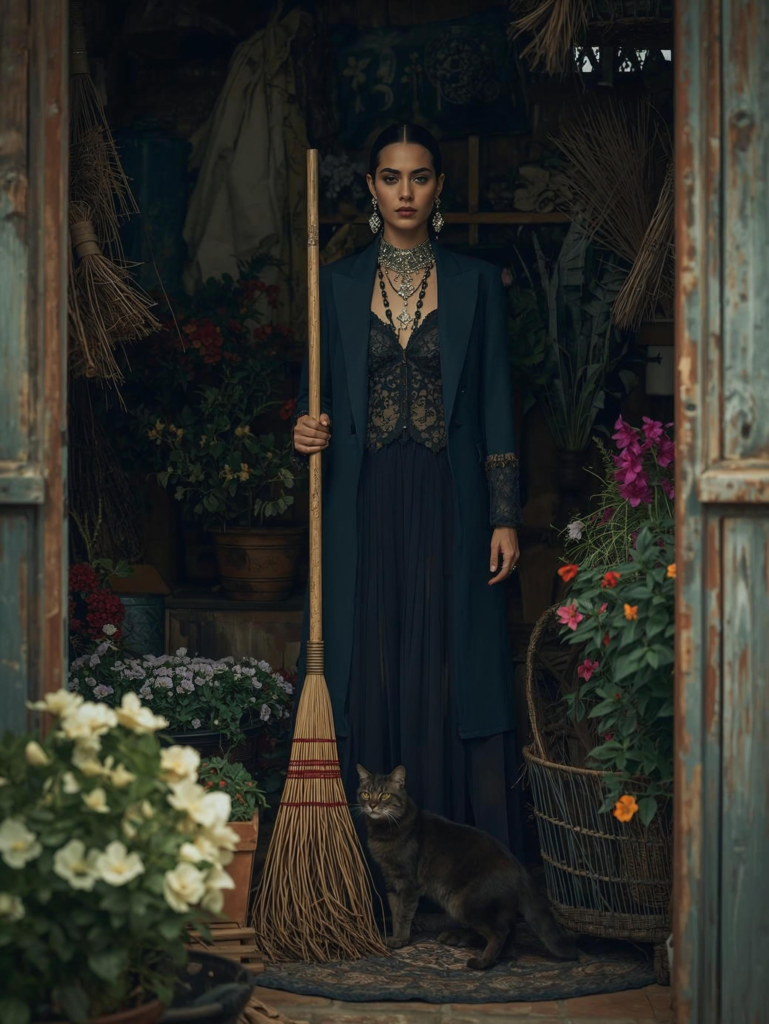
But really, no hallucinogens? Well…
There is an interesting written account of a physician named Andrés Laguna. He said he found a green ointment in a home of a couple accused of witchcraft. It contained henbane, nightshade, mandrake and hemlock. He smeared the ointment on one of his patients, a woman who was troubled by insomnia. After receiving this experimental treatment, she supposedly fell into a deep, coma-like sleep and, upon waking, asked, “Why did you wake me up at such a bad moment, when I was surrounded by all the pleasures and delights of the world?”
Imagine you know how to brew a good tea to calm someone’s pain, or know of a mushroom that people believe can induce a certain “vision”, or perhaps know of a plant traditionally believed to induce an abortion. Seems like magic, no?
And what wouldn’t you do to be more “in demand”? If chanting a spell or doing a “magical” hand movement proves to be a good marketing technique that earns you potential clients, wouldn’t you brand yourself as a sorcerer instead of just a gardener?
The knowledge of the craft was often passed by word of mouth, through families and local communities.
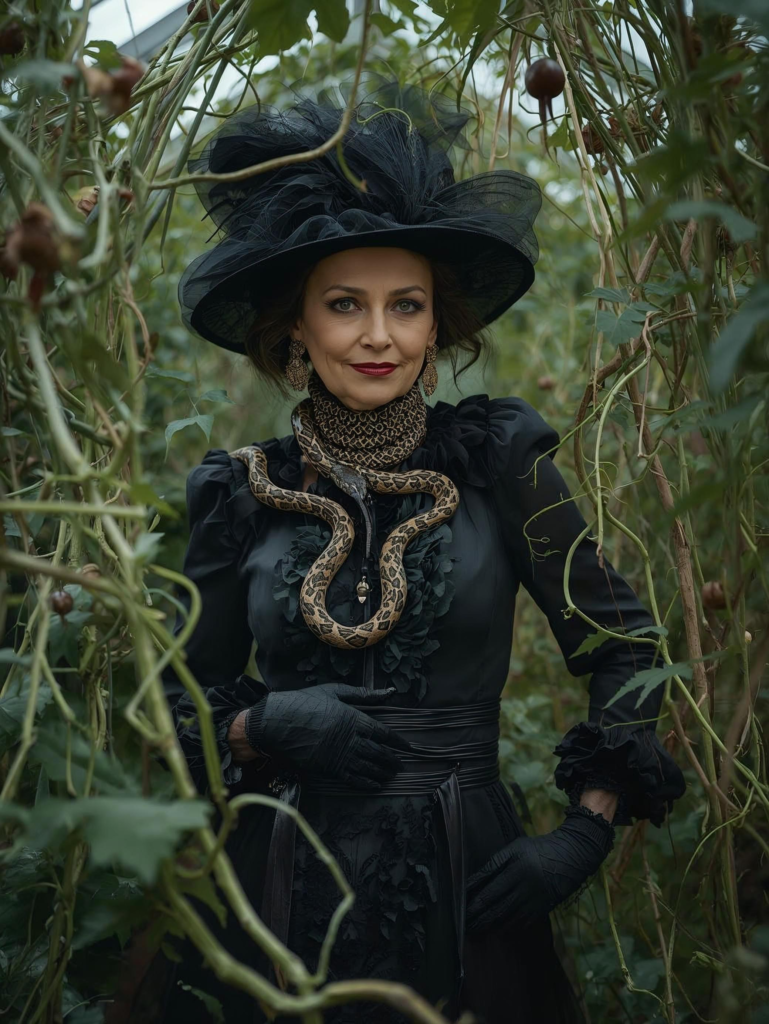
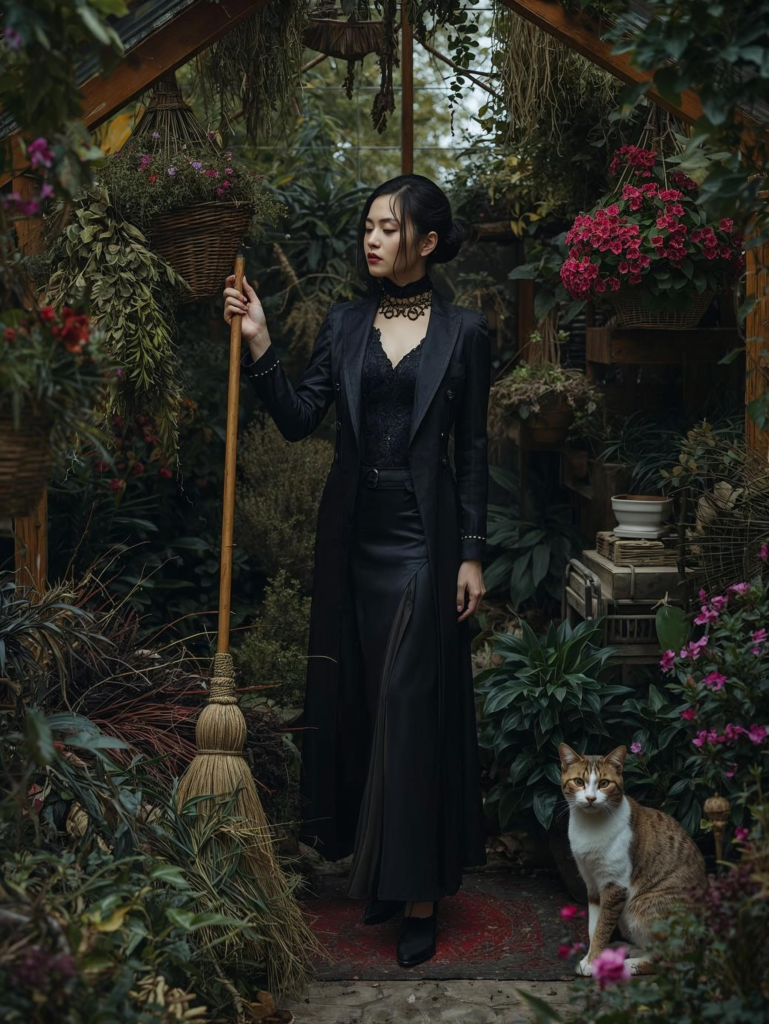
When, why and how does a witch become evil?
But when is it that your gaze would turn to a healer or a magician? Mostly when you’d either want something good to happen to you, or something bad happened and you are looking for someone to blame. Thus spread the legends of women who could cause blight, change the weather or cause people’s misfortunes.
And that proved very useful in many cases. If you want to get rid of someone you don’t like — accuse them of being a witch.
So yeah, the word “witch” comes from the Old English “wicca” and “wicce”, words for male and female magical practitioners. The word itself is centuries older than the great European witch hunts. What changed much later was the meaning increasingly attached to it: from a general term for magical practitioners to the much more specifically demonic and heretical concept of the witch that developed in the late Middle Ages.
Christian authorities had condemned magic and sorcery for centuries, but from the late Middle Ages some theologians and inquisitors increasingly interpreted certain forms of magic as heresy and demonic conspiracy. The first major waves of witch trials appeared in the 1420s and 1430s, and later became much larger, particularly in the 16th and 17th centuries.
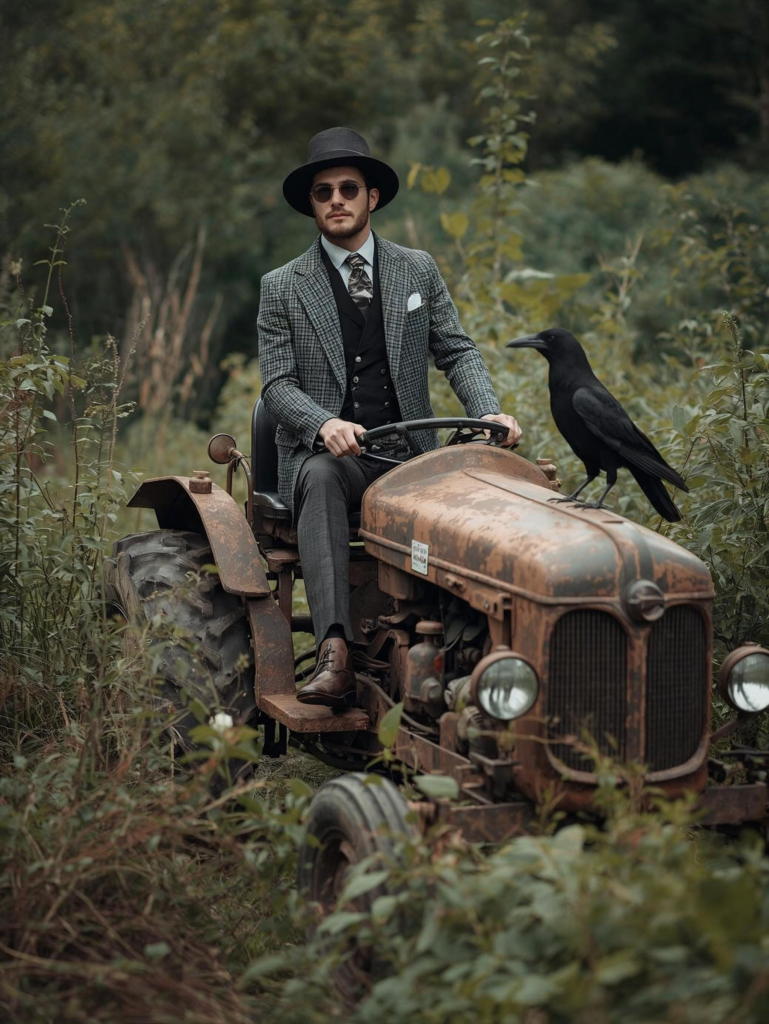
How a witch image is crafted. From evil to sexy, conspiring evil…housewife.
In the late 15th century, Heinrich Kramer unhinged his sexual fantasies and conspiracy theories into a book called “Malleus Maleficarum” (“Hammer of the Witches”), first printed in 1487. It was not the book that invented the witch concept, but it tied many existing ideas together into a systematic description of the demonic witch and included arguments about how witchcraft should be investigated and prosecuted. He spent a considerable amount of time discussing the sexuality, lust and intercourse with the devil among the supposed witches.
It’s funny how the props of the witch are telling on the creators of that image (not only this book). It’s like a medieval male couldn’t imagine a woman not being in the kitchen with a pot and a broomstick, so it just changed those objects slightly to appear more scary and mysterious.
The “Malleus” was also printed during the early decades of the European printing press, only a few decades after Gutenberg’s Bible. Printing didn’t distinguish truth from nonsense — it could reproduce and spread both, and people didn’t necessarily have the tools to distinguish one from the other. Just like it’s hard these days to distinguish reality from AI-generated content, it wasn’t always obvious back then whether something in print was fact or fiction. This helped demonological ideas and witch-hunting literature spread much more widely.
A while ago I listened to a podcast with Yuval Noah Harari (it was too long ago to remember which, sorry), where he said that the big bestsellers of the 15th and 16th centuries weren’t the scientific works, but rather the witch-hunting manuals.
And why not? I mean, it’s like the olden “Fifty Shades of Grey” meets “The Da Vinci Code”. It would totally sell these days too.
Who did the witch hunts serve?
What’s interesting is that accusations of witchcraft from the first accounts, from the villagers themselves, were often pretty simplistic: she killed cattle, she ruined crops, she made someone ill.
The elaborate testimonies in many cases could emerge after accused people were interrogated by authorities who already had increasingly elaborate ideas about what a witch was supposed to be. After interrogation, the stories could become much more gruesome, macabre or sexualised. The accused women were said to fly out at night, make pacts or have sex with the Devil, steal body parts from corpses, take part in orgies and many other explicit things — to which, supposedly, they sometimes even confessed.
Interrogation, by the way, wasn’t just simple questioning. It could involve imprisonment, threats, coercion and, in some jurisdictions, torture. The procedures varied enormously from place to place, and torture was not used in every witch trial. But where it was used, it could obviously make the reliability of confessions highly questionable.
Aside from providing plenty of fuel for neighbourly disputes and personal dramas, the stories also served Christian agendas rather well. The witches were said to steal unbaptised babies and use their parts for various purposes. So, you know, baptise your kid and avoid it being eaten by the Devil…
To me, it’s a very sad but neat story of how folk with knowledge about nature, free and mysterious, were perhaps a little too intimidating to men of power. So they, very skilfully, turned it into a three-fold use:
- Entertainment for themselves — pornographic/sexualised fantasies and tortures
- A free pass to get rid of those who could potentially endanger your image
- Promoting Christianity and getting rid of paganism
Sadly, that ended with roughly 100K people prosecuted for witchcraft in Europe and around 50% of those executed, according to modern estimates. Women made up the majority of those accused and executed, although men were also prosecuted and executed in significant numbers.
If you’d like to watch a National Geographic movie about Witchcraft, here’s one, available in youtube.
I think we’ve missed out on a lot since then. Instead of worshipping a divine male in a human form (no offence to Christians), I’d rather go back to worshipping forests and fire and water. A world full of magicians and witches, close to nature, seems like a more fun place to be.
Happy magical autumn season!