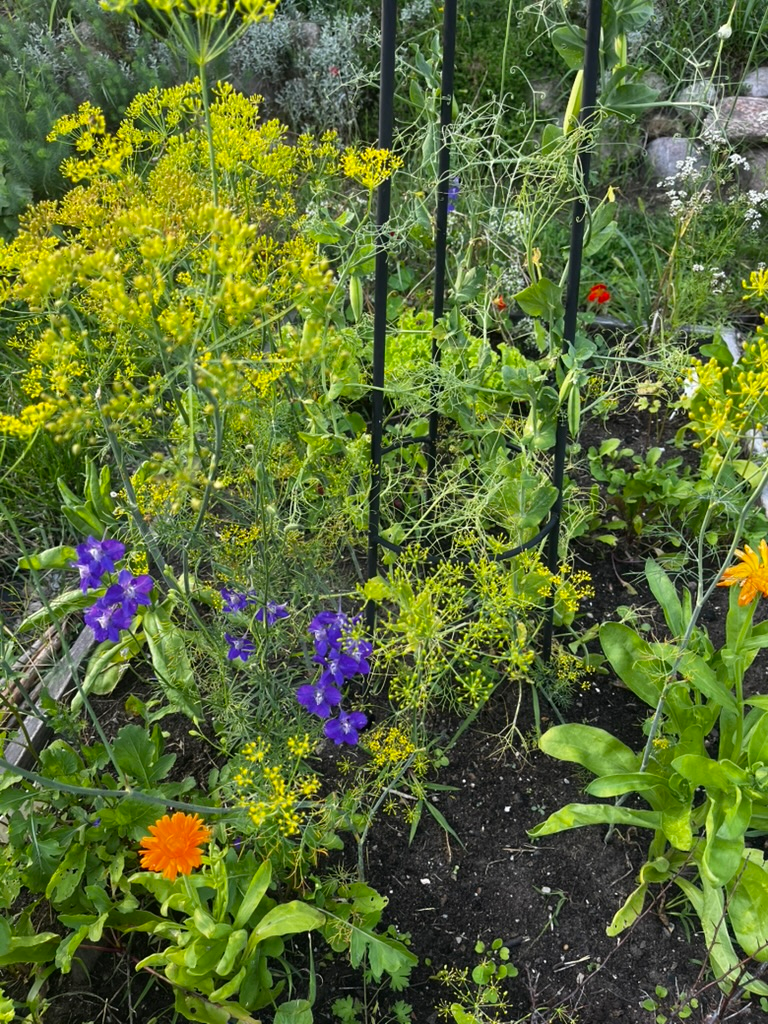
What If I Can’t? Accessible Gardening When You’re Injured, Ill, Exhausted or Simply Short on Time.
Table of Contents
When I was about 26, I was diagnosed with rheumatoid arthritis. I consider myself lucky, because mine isn’t that bad and doesn’t progress as fast. But when you are in a state of inflammation with a swollen joint or a couple, you just don’t have the energy. It can feel like all your energy is being spent by your immune system fighting the imaginary demons aka your own joints. When you need to take naps after each meal, because your energy isn’t enough for the inflammation plus daily functioning plus now digestion, gardening can seem like too much of an ask.
But what if you like it? What if you don’t want those watery store-bought tomatoes and the avocado wrapped in 2 layers of plastic?
That’s why I decided to make a list of things that could be helpful if you are injured, tired, out of time or out of energy. In hopes it will inspire you to not give up on your hobbies and favourite activity when life throws the unexpected at you.
1. Design smart.
If you are just setting up your garden — think of the future. Will you want to climb ladders when you are older, with the risk of falling and injury? How will you move? How high will you need to reach?
Make paths less slippery, sheds that don’t store tools very high up, and arches where you don’t have to bend down to pass through.
Permaculture likes to divide your gardening space into 5 zones according to how often you use and maintain them. This way, you are saving your energy, not having to walk a mile every time you need a tomato for a “not so quick” salad.
Zone 1 is the zone closest to your home. A place you visit every day, where you could plant a herb garden and pop out quickly in your slippers while you are cooking soup to cut a handful of fresh herbs. Consider plants needing frequent watering in this zone, so you don’t have to carry watering cans far every day.
Zone 2 is for things that need regular but less intensive attention — larger vegetable beds, perennial vegetables, berry bushes, orchards, chickens or beehives.
Zone 3 is for main crops that you plant and mostly leave alone, like potatoes, squash, grain or larger orchards.
Zone 4 is a semi-wild zone where you only come for an occasional forage — wild berries, mushroom logs, trees grown for firewood.
Zone 5 is a wild nature zone that you visit mostly to observe and learn from nature.
The zones don’t have to be perfect circles. They are really just a way of thinking about how often you need to visit and work in each area.
Planting this way will save you both time and energy.
Also, try planting more perennials where they make sense. They will come back year after year and you don’t need to keep buying and planting them each year. Some still require maintenance, of course, but you can eliminate a lot of the annual work.
2. Use technology (if you have the budget)
My aunt gardened her whole life and still does. But now she also likes to use her time for sipping coffee and just relaxing.
First she installed sprinklers and a drip irrigation system so she didn’t have to stand in the garden with a hose for hours. Now, a mini robot cuts her lawn too.
That saves at least 5 hours each week, which is not a bad saving in the long run, especially as you get older and mowing the grass becomes quite the chore.
Technology doesn’t have to mean expensive gadgets, either. Anything that eliminates a repetitive task counts — automatic watering timers, rain sensors, electric tools or even a simple hose placed where you actually need it.
3. Adjust the space to your needs
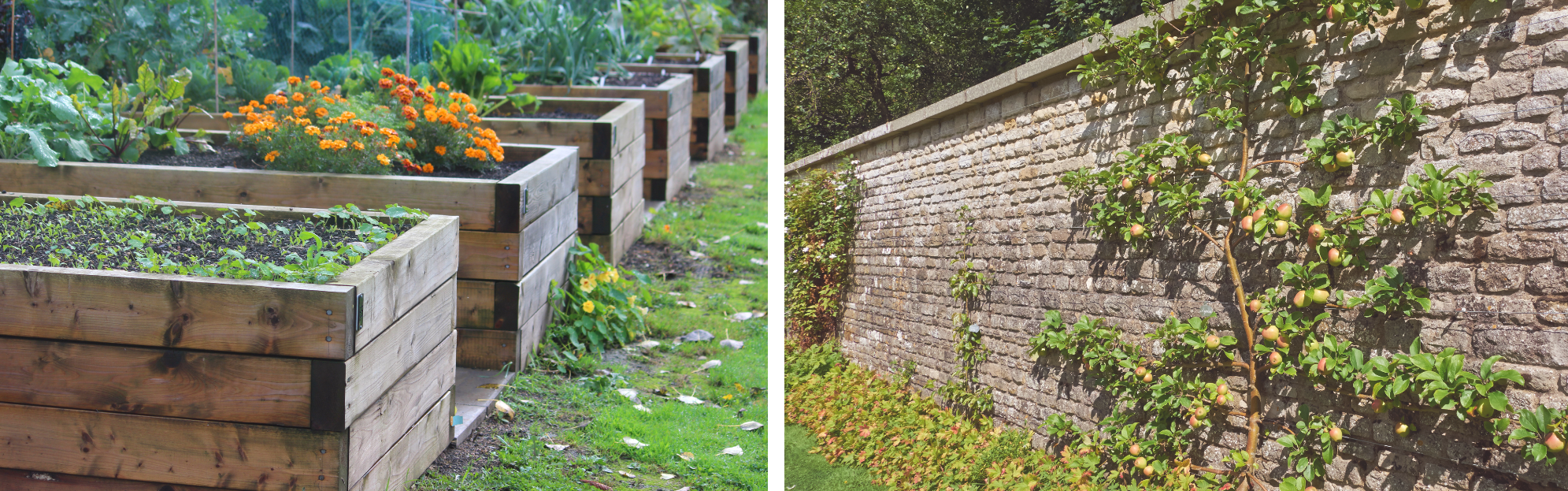
Cannot bend your knees to weed the raised garden bed? Raise it even more! Make it your hip height so you don’t have to bend.
Just remember that a raised bed shouldn’t be so wide that you have to stretch to reach the middle. The goal is to make the plants easier to reach, not simply to move the problem somewhere else.
Your greenhouse can have a sunken walkway too.
You can even adjust the plants to meet your needs.
Too difficult to sit while harvesting gooseberries? There are varieties of bushes that grow on a little trunk like a tree. If climbing ladders to harvest apples is not an option, you can train apple trees to grow like a fence, so you never even need a ladder.
4. Container planting
If digging or managing huge fields or spaces is too tiresome, consider planting your crop in containers.
I am growing my potatoes in two large plastic pots. Once they are ready, I just topple the pot and take the potatoes. No need to search for them in a field with a spade.
Containers can also help you avoid some soil-borne pests and diseases, depending on what you are growing and what you are dealing with.
You can move them around as you please — too much rain this season? If the container is manageable, move it somewhere sheltered.
And if you know you will want to move a large container, put it on wheels from the beginning. A container full of wet soil is not something you want to discover you need to move later.
5. Gadgets and helpful tools
There are so many helpful gadgets to make your life easier — stools you can sit on while picking or weeding, knee pads, long-handled tools and stand-up weed pullers.
Use wheels. Rolling tool carriers, wheelbarrows, rolling hose units — anything that means you don’t have to carry something.
Think about weight too. A lightweight plastic watering can may be much easier to use than a beautiful metal one. Smaller bags of soil are easier to lift than one enormous bag. Lightweight pots are easier to move.
Other gadgets like:
Garden kneelers you can find on Amazon.
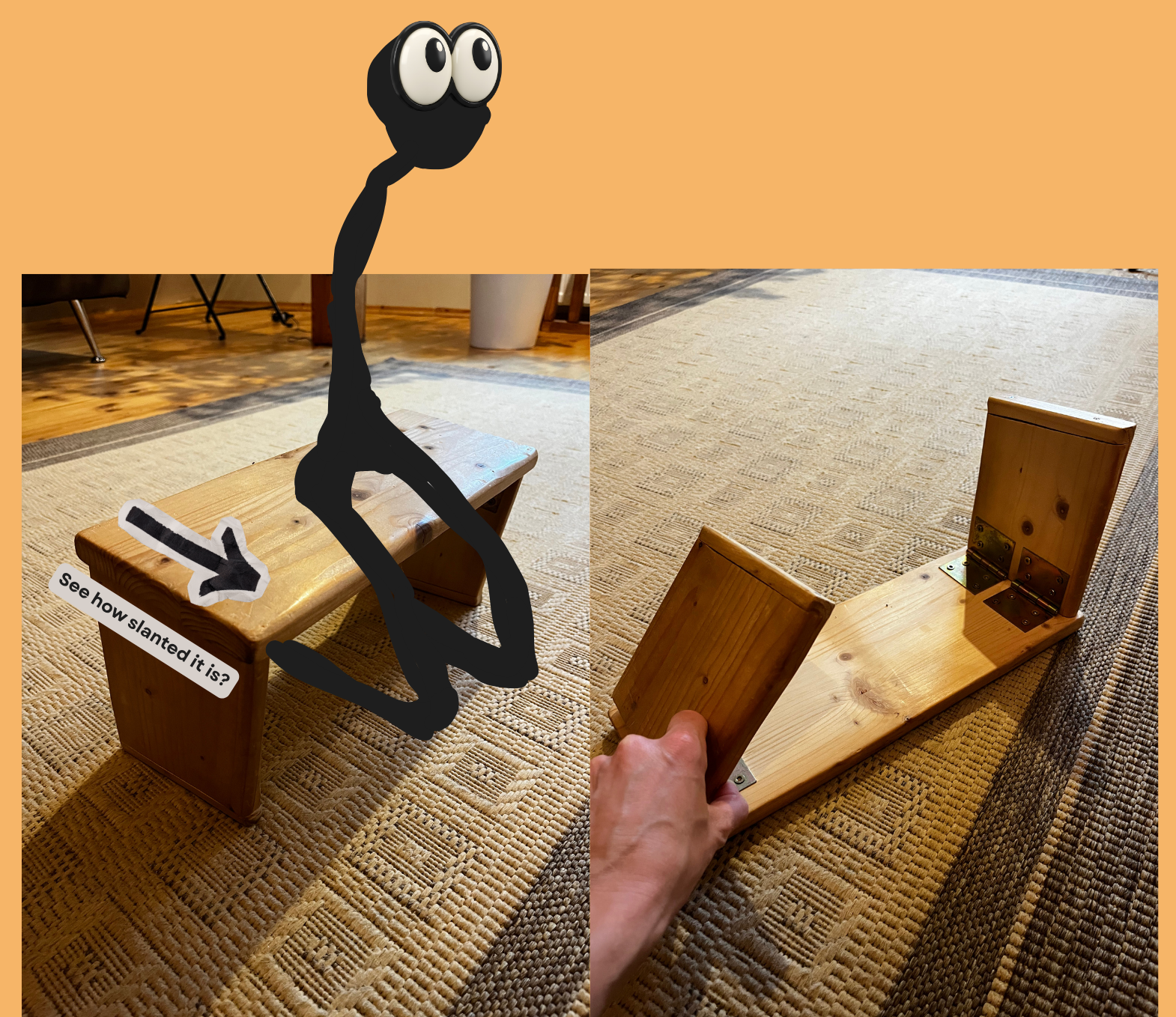
You can even make a simple stool yourself like this one below. This is my meditation stool, a simple piece of wood, at an angle, with foldable legs that would be a great stool in the garden.
I spent a summer in Canada picking cherries, plums and apricots once. We used special picking buckets that had straps to put over your back and have a bucket in front of you. Now, back home, picking without one seems weird.
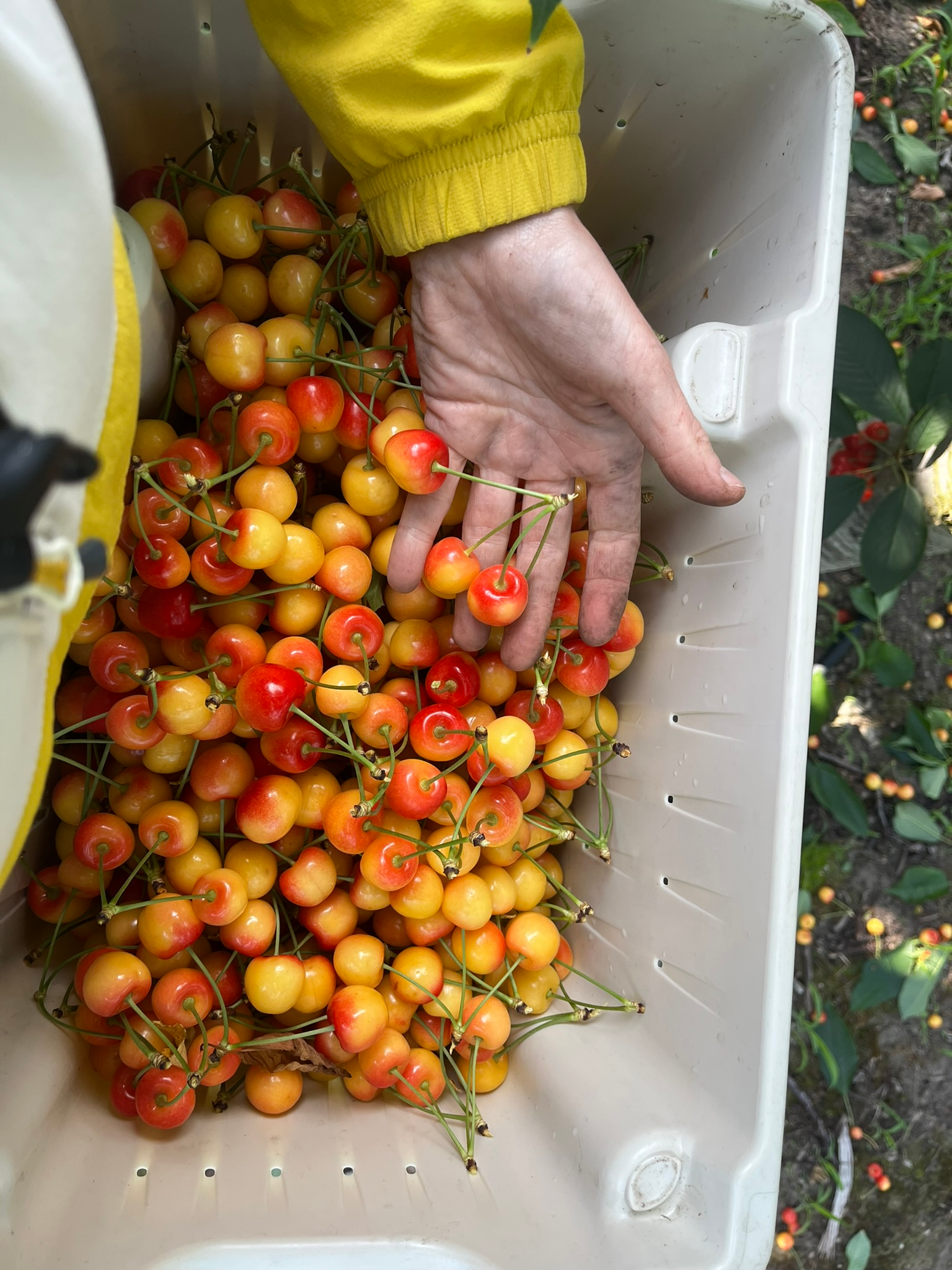
On the market there are picking buckets, picking aprons and similar gadgets, but you can even improvise with an old backpack worn in front and a bucket inside. Just don’t overload it — carrying a heavy load awkwardly can create a new problem instead of solving one.
6. Mulch like your life depends on it
This is probably the biggest omission.
A layer of organic mulch can dramatically reduce how often you need to water and weed. The best gardening task is the one you don’t have to do at all.
Mulch reduces:
- watering
- weeding
- soil evaporation
- soil temperature fluctuations
- how often you have to disturb the soil
And therefore reduces the amount of work required later.
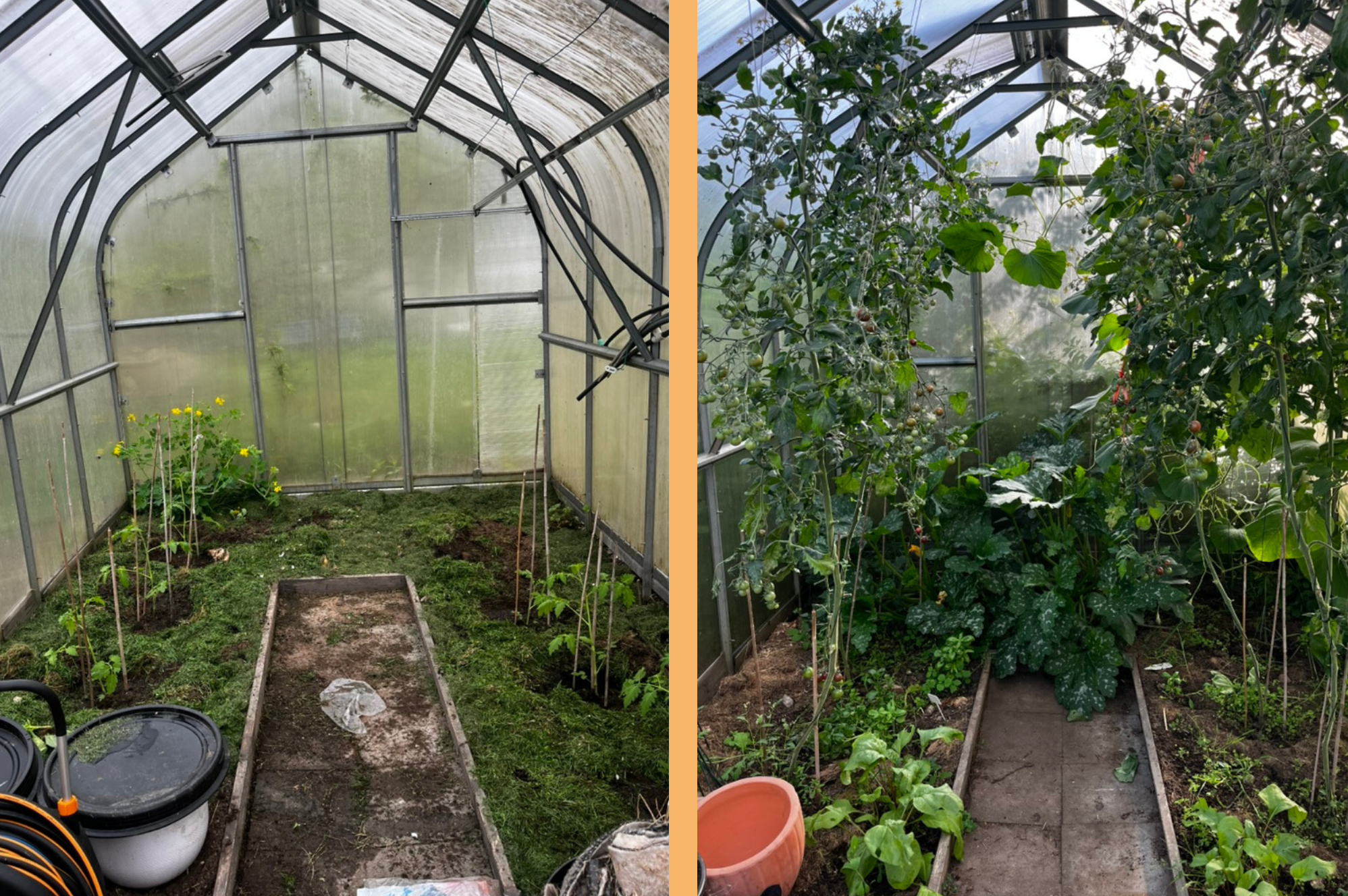
This below is my mulched greenhouse. I used paper bags + grass clippings. Weeds only grew in the spaces left for the tomato plants. Nowhere else!
7. Other hacks
Compost turning is my least favourite task. Just because once the plastic container gets full, I can tip it over, but it takes a lot of effort to lift it up so that the contents are emptied out.
I found this great idea for my future projects: a DIY compost tumbler! Genius!
Leaf-raking takes too much energy and bending?
Monty Don just goes over them with a lawnmower that shreds them and gathers them in a container — so they are compost-ready.
8. Lower your standards.
And finally: lower your standards.
Your garden doesn’t have to be perfectly weed-free, perfectly pruned or Instagram-ready.
A few weeds won’t kill your tomatoes. Leaves don’t have to be removed immediately. The grass can be longer. One corner can become wild.
A slightly messy garden is still a garden. There’s even a term for it – chaos gardening. Well, it has got more to it than just letting wild things reign, but I like to call my gardening style chaos gardening anyway.
You are allowed to have a garden that fits your life instead of spending your life trying to keep up with the garden.
The point isn’t to create the most productive, beautiful or perfectly maintained garden possible.
The point is to keep gardening, because it has been proven that gardening is able to reduce stress. In this research 30 people have been given a stressful task and then given 30 minutes of either gardening or reading to reduce stress. Cportisol levels measured in their saliva showed that gardening does a better job at reducing stress than reading does and after only 30 minutes of gardening, good mood was fully restored.
So go pick your positive vibes in the garden!