
10 May Garden To Do List Items
for Zone 5
In Zone 5, frosts are still expected in May, so gardening can feel a bit like a gamble. Warm days may tempt you to plant everything at once, but a sudden cold night can undo your hard work. Still, there is plenty you can safely do this month to prepare your garden for a productive season. Here is a list of garden tasks you could focus on.
Before we proceed to May, you may want to check out April here.
Table of Contents
1. Plant Early Crops
Radishes, beets, spinach, carrots, kale, and other hardy vegetables and greens can be planted now. These crops tolerate cooler soil and light frosts. If you see frost in the forecast, you can cover them with fleece to protect young seedlings. Succession planting every couple of weeks is also a good idea if you want a steady harvest rather than having all your food grow at once.
2. Weed and Mulch
Start weeding early while the weeds are still small and easy to remove. It saves a lot of effort later in the season. You can also mulch around trees, shrubs, and some raised beds to retain moisture, and suppress weeds.
3. Start Watering
It has been a pretty dry spring in my garden, so I have already watered generously to keep my perennials happy. Even if rainfall seems sufficient, check the soil a few centimeters below the surface. Plants establish much better when they receive water consistently early in the season.
4. Do Some Pruning
You can now prune plants that were not pruned in early spring, especially those that should be trimmed after flowering like forsythia and lilac.
5. Divide Overcrowded Plants
If your garden is full of perennials, May is still a good time to divide them. This helps plants stay vigorous and prevents overcrowding. As a bonus, you end up with more plants to fill empty spaces or share with friends and neighbors. It’s also a good time to plant new flowers in general, as soil temperatures are warming.
6. Start or Revive a Compost Pile
May is when everything starts to warm up and wake up, so it’s a good time to either start a compost pile or wake an existing one up. Turning the pile, adding fresh green material, and ensuring proper moisture will help kick-start decomposition.
I’m really behind on this one. My compost “box” was just a pit dug into the ground, with old doors on two sides and bare soil on the other two. It was also mostly composed of brown material, so you couldn’t quite call it compost. It was more of a cold pile.
I want to change that this year and make a proper, active compost system. I found this video on compost for beginners pretty helpful.
7. Plant Groundcovers
Plant creeping thyme, wild strawberries, sedum, and other groundcover plants anytime in May without worrying too much about frost. These plants spread over time, reduce weeds, protect soil from erosion, and help retain moisture. They are especially useful in low-maintenance gardens.
8. Dig Ponds
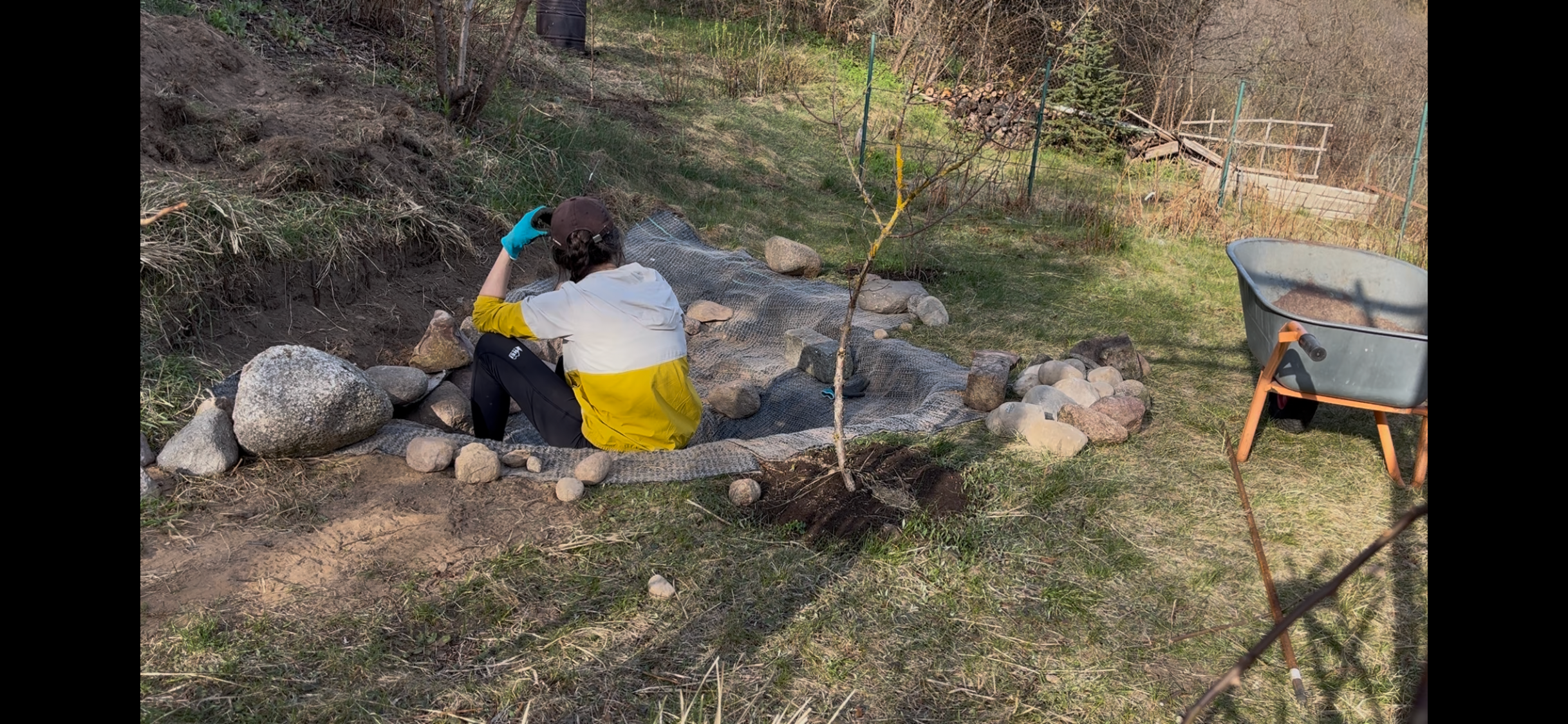
The ground is usually warm and dry enough for this fun activity. I am working on one at the moment, and once it’s finished, I’ll share the process. So far, it’s been half failure, because after I filled it, the water escaped, and I’ve got some fixing to do, but I have a giant hole in my garden now, so it’s not like I can just leave it. I’ll share the whole process once it’s a pond so you’ll be able to learn from my mistakes instead of making them yourself.
The reason for the pond was that I wanted to attract frogs, which hopefully would eat some of my slugs. But in general, ponds attract beneficial insects, and are just a nice peaceful addition to your space.
9. Install Trelises
Install trellises before your plants spring up and start their journey to the sun. It is much easier to set them up early rather than trying to squeeze them in later when vines are already growing. Doing this now also saves time during the busiest part of the gardening season.
10. Late May – Transplant Your Vegetables
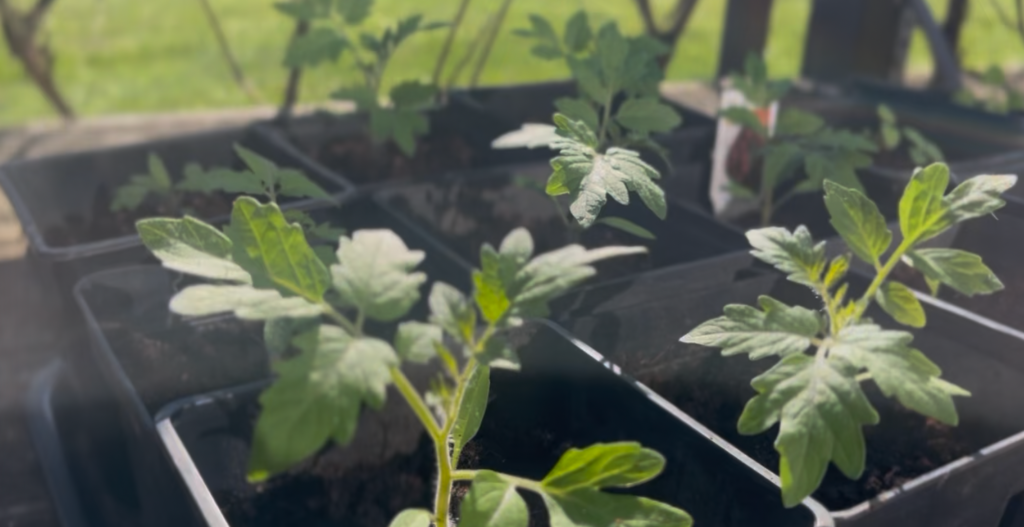
This is the gamble I mentioned earlier. Once temperatures are consistently above 12°C, and there doesn’t seem to be a risk of frost, you can think about transplanting frost-sensitive plants such as zucchinis, pumpkins, tomatoes, cucumbers, and peppers. You can also plant sunflowers at this time.
I have germinated my plants in batches with a two-week difference between them, so I will take a risk with one batch and wait a bit longer with the other. That way, if the weather turns cold again, I won’t lose everything at once.
Hope this May garden to do list gives you some inspiration, or reminds you of something you’ve forgotten to take care of.
See you in June!