
Soil Degradation: Causes, Effects, and How to Prevent It
It started when I decided to test soil in my garden and accidentally went into a full-on soil research. So here’s a quick summary of what I found out to bring you up to speed on all soil matters.
Did you know that soil is one of the largest terrestrial carbon reservoirs after the oceans on this planet? Healthy soil pulls carbon out of the air and locks it in.
Crazy, isn’t it? I genuinely didn’t know it until this year.
Another crazy, but sad fact, is that up to 90 percent of the world’s soils could be moderately to severely degraded by 2050 according to the Food and Agriculture Organization of the United Nations.
“The equivalent of one soccer pitch of soil is eroded every five seconds.” And “it takes up to a 1000 years to produce just 2-3 cm of soil” (FAO and ITPS, 2015).
Table of Contents
What happens when soil degrades?
Plants won’t grow:
For starters, plants will not grow well in poor soil. That you could probably witness in your garden if your soil isn’t great. If soil structure fails, it gets compacted and roots won’t be able to establish well. When soil lacks nutrients and a healthy microbiome, it can’t feed the plants effectively.
More natural disasters:
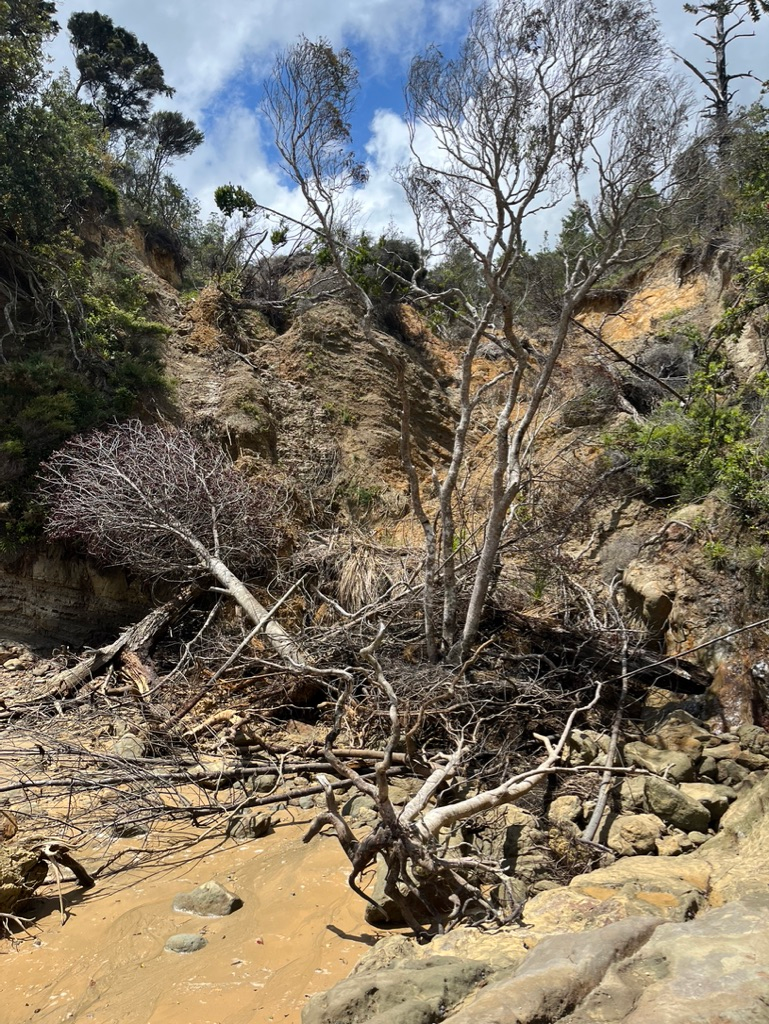
Soil that’s exposed, compacted, or low in organic matter won’t soak up rain efficiently, and water will run off quickly. On a large scale, that contributes to floods and flash floods. Combined with trees not being able to establish healthy roots, it can even trigger landslides.
Excess carbon in the atmosphere:
The already mentioned carbon storing. Degraded soil loses organic carbon as microbes break down exposed material, releasing it back into the atmosphere — and we definitely don’t need more of that.
Global food shortage:
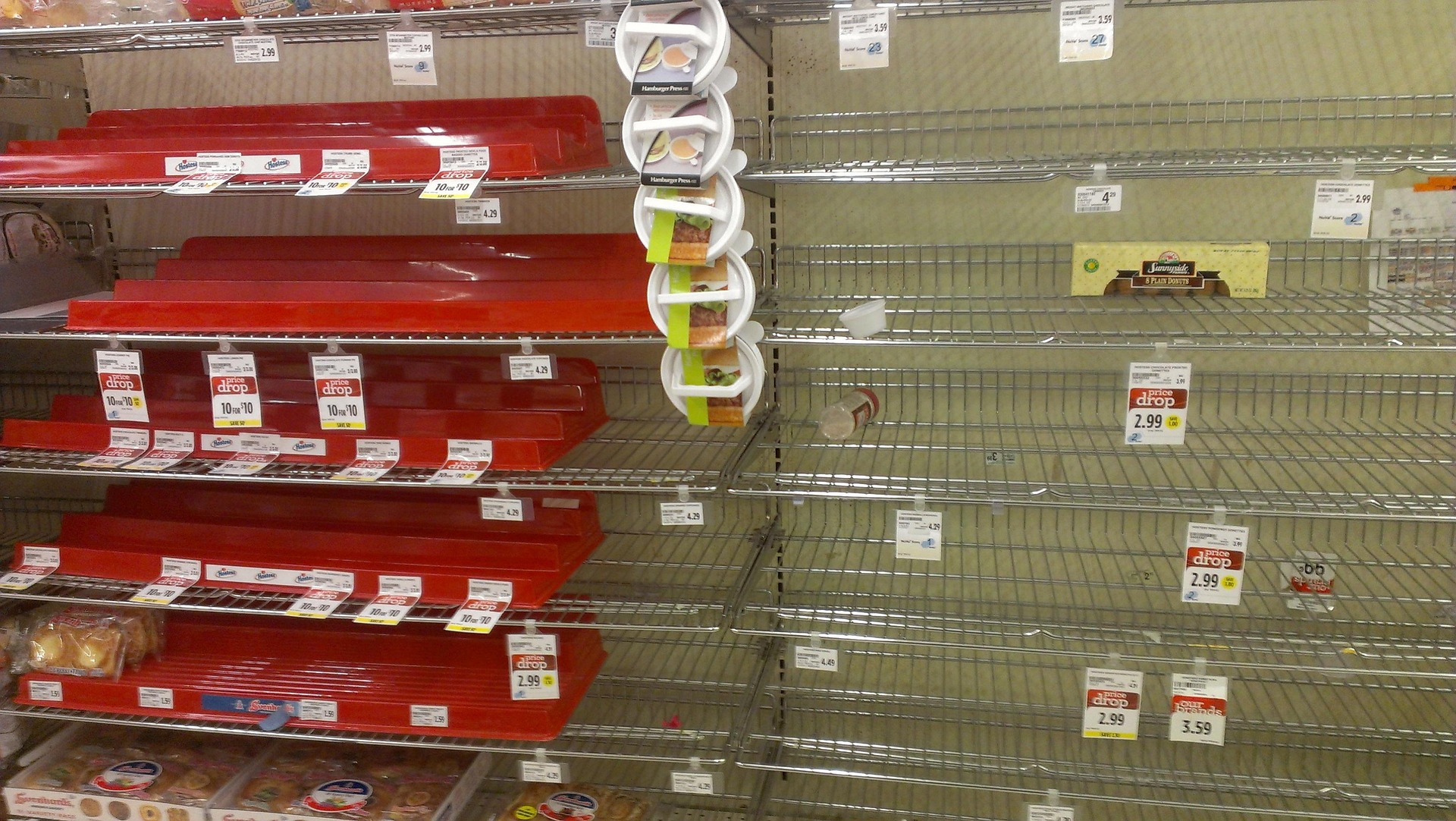
Moreover, the whole world relies on farms to produce our food. With soil quality consistently worsening, crop yields could drop, and food production may become a real challenge.
And the world population is still increasing…
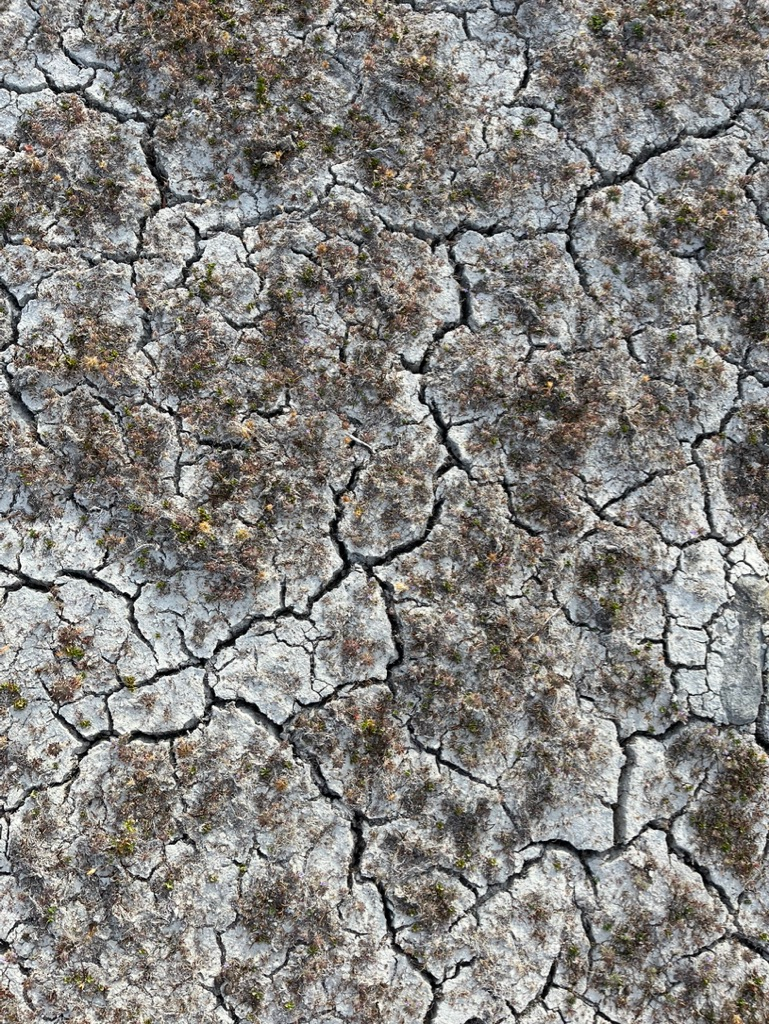
Without plant and microbe life and the soil’s ability to hold water, areas slowly turn into deserts — something we can already see happening in many places.
Why does soil degrade?
Agriculture:
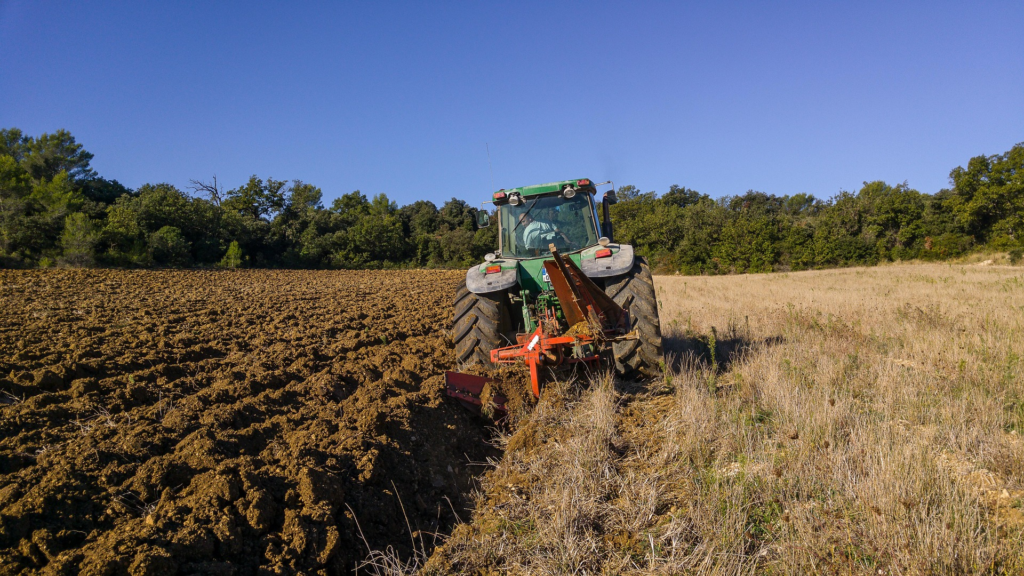
Aside from being a major CO₂ contributor, agriculture is also a major driver of soil degradation. Overgrazing, poor irrigation practices, and tilling all strip the earth. Another reason is deforestation, but that also leads us to… agriculture. Nearly 90 percent of global deforestation is driven by agriculture, which is actually a really informative document to read if you’re curious.
Natural disasters:
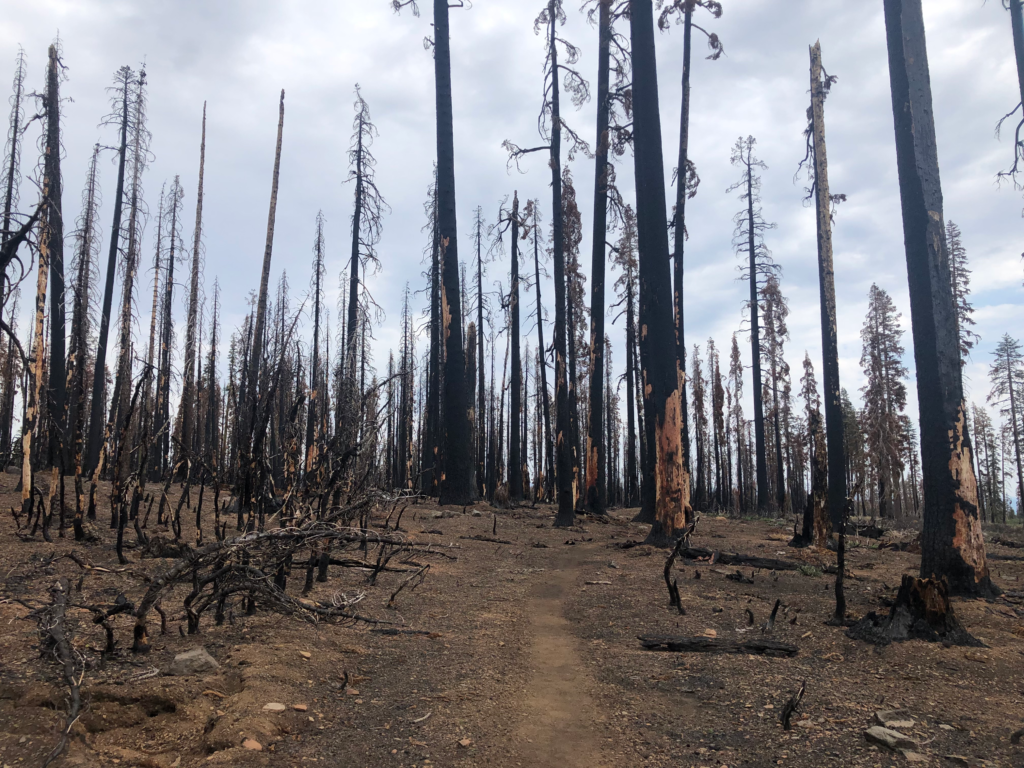
Wildfires also contribute to soil loss. In 2022, I walked about 80 miles of completely charred forests (burned in the 2021 Dixie fire). The top layer is just fine, gray dust. You make a step and it lifts, settling on your legs, shoes, and in your lungs.
Floods remove topsoil, and droughts collapse soil structure.
Urbanization:
Building cities covers soil with tarmac, scrapes off topsoil, and compacts the rest with heavy machinery.
Compaction from people:
Speaking of compacting, hikers do that with their own feet too. I’m not saying you should stop all adventures now, but over time, repeated use of same trails will harm soil. That’s why you’ve probably seen signs asking you to stay on trails — exactly to limit erosion to a confined path. National Parks often restrict visitors for the same reason. It’s easy to think that you’re just walking through, not trashing the place, not making any fires, but think what happens when thousands of people “just walk through”.

Is it possible to reverse soil degradation?
Yes. The same FAO report gives useful insights into how agriculture and medium-to-large-scale farming could adjust practices to prevent further soil erosion and even reverse it.
While the biggest changes should happen on a policy level, not all of us are policymakers. But all of us can make small positive changes in our own gardens.
What can you do in your own garden to have healthy soil?
No tilling:
I’m not advocating a radical approach where you throw away your spade and never dig again. I actually love digging, but I try to limit that passion to when I need to replant trees, dig a pond, or plant something in a bare field. You don’t need to constantly churn the earth to “mix that compost with the lower layers” like I used to think before I researched it.
What happens when you till?
Think of soil as a system. There’s the topsoil (the productive part with multiple organisms, animals like worms, plant roots, and oxygen) and the subsoil (the lower part that has less oxygen and stores water and minerals).
Across these layers stretch mycorrhizal networks (fungi networks) that move nutrients around. They attach to plant roots and help them reach water and minerals.
Then comes a gardener thinking, “Well, if the topsoil is productive, I’ll just mix it up so the lower layer is also productive” — and shoves the spade into the garden bed. What happens?
- You break the mycorrhizal networks that fungi worked hard to establish. These networks create corridors to move nutrients around, and your spade just crushes them, so they have to start over.
- Topsoil organisms are used to higher oxygen levels than subsoil. Churning buries and suffocates the little workers that made your topsoil great. Meanwhile, bacteria in the subsoil exposed to oxygen go into overdrive and release more CO₂ into the atmosphere.
- Even if the soil you turned looks fluffy and dark (because that’s what subsoil looks like), exposed to air and rain, and with structure broken, it will compact faster.
What should you do instead?
- Put a thin layer of compost on top. Water, worms, and fungal hyphae will carry it down without collapsing the structure.
- Grow cover crops. They protect soil from sun and rain, add organic matter, and cycle nutrients naturally.
- Rotate crops. If you plant tomatoes year after year in the same place, they will deplete soil nutrients and pests will learn where to find them. Planting a shallow-rooted, light-feeding crop like lettuce occasionally gives the soil time to restore.
Perennials and diversification:
Diversifying your garden helps prevent soil degradation.
If you grow perennial plants and can’t rotate them, diversification helps. Having multiple types of plants in one bed ensures the soil isn’t depleted too fast. For example, three tomato plants pull heavily on potassium, nitrogen, and phosphorus from the same soil level. But if you plant tomato, basil, and borage together:
- Borage’s deep roots access some minerals from lower layers, and when chopped for mulch, it returns nutrients to the soil.
- Basil uses shallower nutrients and repels aphids from tomatoes while attracting pollinators.
- Tomatoes take nutrients from the middle layer.
This mix creates a mini-ecosystem that keeps your soil healthy while supporting all three plants.