Importance of Having Diversity in the Garden
Table of Contents
Diversity is key to resilience.
In anything. We, as humans, have multiple blood groups. Some pathogens target specific blood groups, so if our society were composed of a single blood group, we would easily succumb to disease. The more diverse we are—our genes, our diets, our hobbies even—the better chances of survival we have.
Michael Pollan, in his book “The Botany of Desire: A Plant’s-Eye View of the World,” illustrates very well what happened to the Irish in 1845–1849 when potato blight struck. Potato had become the main crop in Ireland, but during that time, they relied on just one variety called “the Lumper.” When the disease came, it destroyed almost the entire crop overnight, and Ireland suffered catastrophic famine. In contrast, in the Andes, because of hilly terrain, varied altitudes, and growing conditions, a single potato variety couldn’t be grown everywhere. People there developed many different varieties, so when one failed, they simply harvested the others.
Dr. Suzanne Simard, the author of “Finding the Mother Tree” and a forest ecologist at the University of British Columbia, has studied trees for years and observed that monocultures of pine trees—usually planted in industrial forestry—often have weaker root systems (due to a lack of fungal networks underground), fewer nutrients than they would get in a regular forest, and poorer health in general.
A garden is just a mini forest. A mini culture. A tiny ecological system that you have created. Thus, it has to function as one.
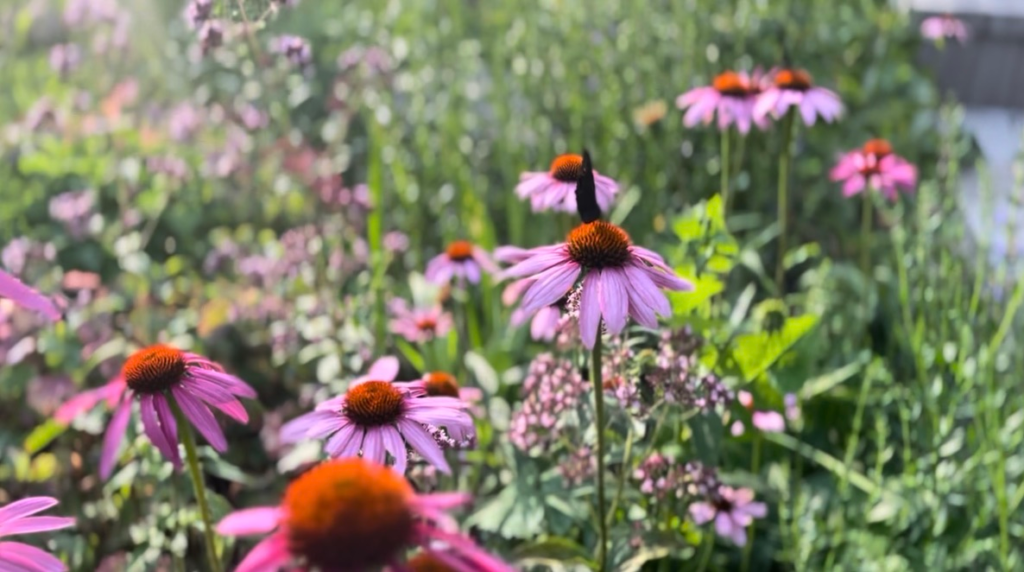
Just look at this beautiful meadow I walked through!
Diversity prevents pests and disease
Diversity in the garden, first and foremost, helps your ecosystem resist pests and disease.
For example, planting marigolds near vegetables can deter nematodes and some insects. Yarrow and lavender attract predatory insects that help control aphids.
Instead of planting the whole garden bed with one crop in tidy rows, plant different crops, or not even in rows. That will confuse pests. Instead of finding the garden bed and devouring everything in it, they might skip some plants or be repelled by others. Diseases also usually target specific plants—if one crop dies, you will still have another.
Diversity Supports Wildlife
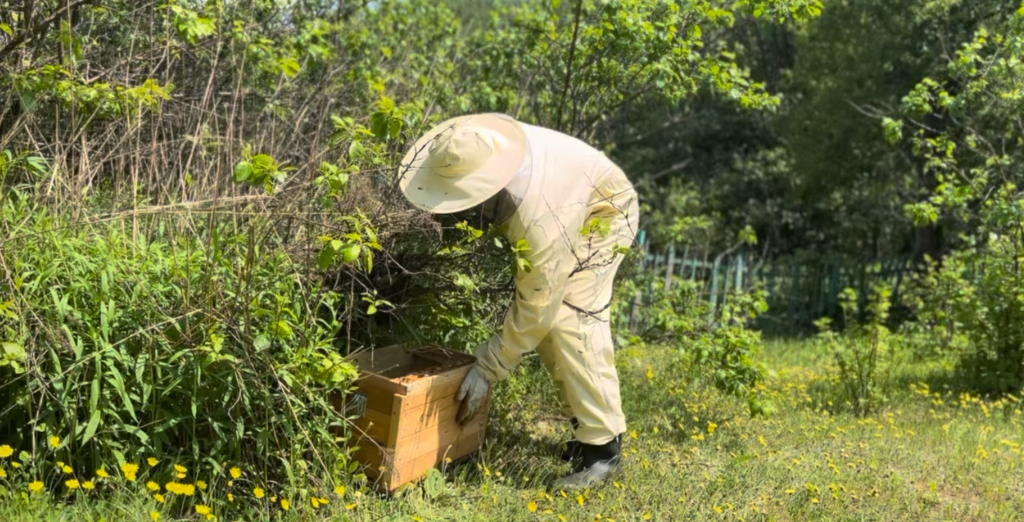
Your plants need pollinators to help them fruit and spread. Bees wake up much earlier than most vegetables start blooming. They emerge from the hives in early spring and, hungry, search for nectar. If they find none in the area, they might leave. That, in turn, will leave your little ecosystem without the pollinators your vegetables need. Planting flowers that bloom in early spring will keep the bees happy. Equally, having some fruit or seeds will attract birds, who will—at the modest cost of some of your harvest—protect your garden from slugs, caterpillars, and other pests.
Diversity Is Essential for Healthy Soil
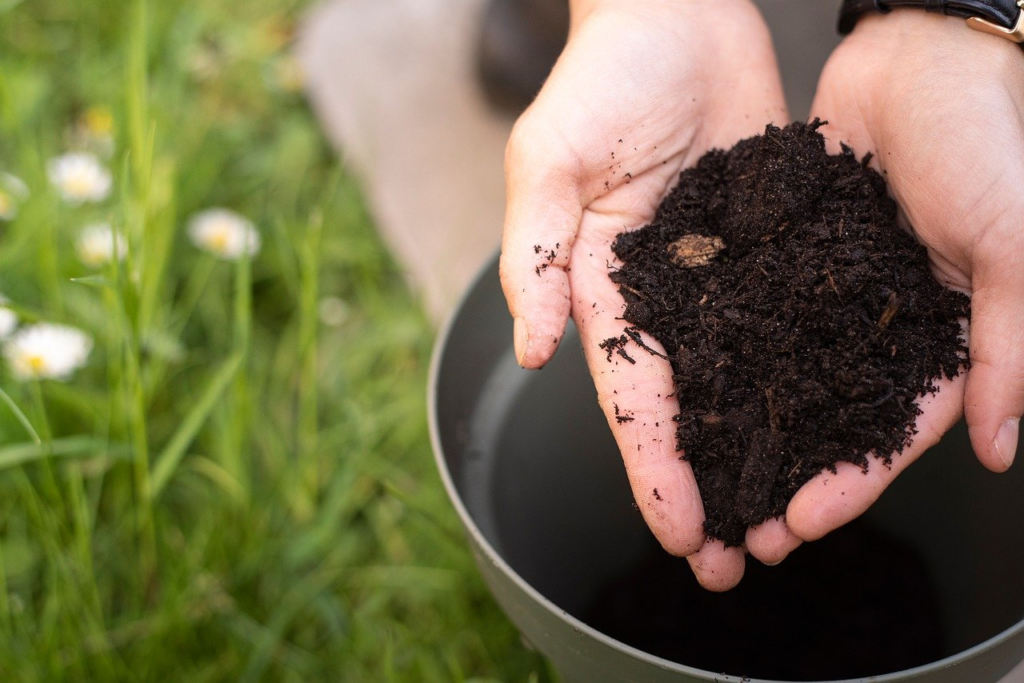
Plants extract nutrients from the ground. Some have deeper roots, some only take certain nutrients. Deep-rooted perennials bring up nutrients from lower soil layers, while shallow-rooted annuals use surface nutrients. Legumes fix nitrogen, improving the soil for neighboring plants. Mixed plantings reduce soil depletion and encourage a healthy soil microbiome. Diversity in the garden is key to healthy soil. Did you know that soil is a massive carbon sink and it’s degrading at a surprising speed? If no, this is the post for you. You can also test your soil with this easy soil jar test.
Diversity Helps Gardens Survive Climate Change
Tall and bushy hedges protect from wind, tree roots hold soil in place and prevent landslides, ground cover plants intercept rainfall and reduce runoff, and tree canopies provide shade and protect from the sun. Climate change takes up more and more of our news, and some effects are inevitable. Now more than ever, it’s important to have a functioning and strong garden.
Diversity Is Visually Appealing
Having plants that bloom at different times, leaves that have different shapes, colors, and textures, and a variety of sizes that create layers just makes the garden look better. There’s always something going on, always something new to observe. A diverse garden is alive, self-supportive, and regenerative—not a mere show that needs continual life support.